November is when the garden slows down above ground, but the soil is still working. Roots keep growing while the soil stays above about 5°C, worms pull fallen leaves down into the ground, and fungi break them down. The jobs you do now will play a big part in how your garden grows next season.
This month is about two things: protecting your soil through winter, and planting the crops and bulbs that need a cold spell to do well.
Your November at a glance
- Plant garlic before the ground gets too cold and wet
- Cover bare soil with mulch or leaf mould
- Plant tulip bulbs
- Lift dahlias, or mulch them where they stand
- Start winter pruning apple and pear trees once the leaves have dropped
Jump to: Soil · Seeds to sow · What to plant · Feeding · How to plant garlic · Jobs and watch-outs · Harvest · Jess's allotment · FAQs

What to do for your soil in November
Mulch empty beds. Spread 5–7cm of compost, well-rotted manure or leaf mould over any bed that's finished for the year. Worms will pull it down into the soil over winter, so there's no need to dig it in.
Start a leaf mould pile. Collect fallen leaves into a wire cage or damp, punctured bin bags. In a year you'll have a crumbly mulch; in two, a fine potting ingredient.
Stay off wet soil. Walking on or digging wet ground squashes out the air pockets that roots and soil life depend on. Use boards to spread your weight if you have to step on beds.
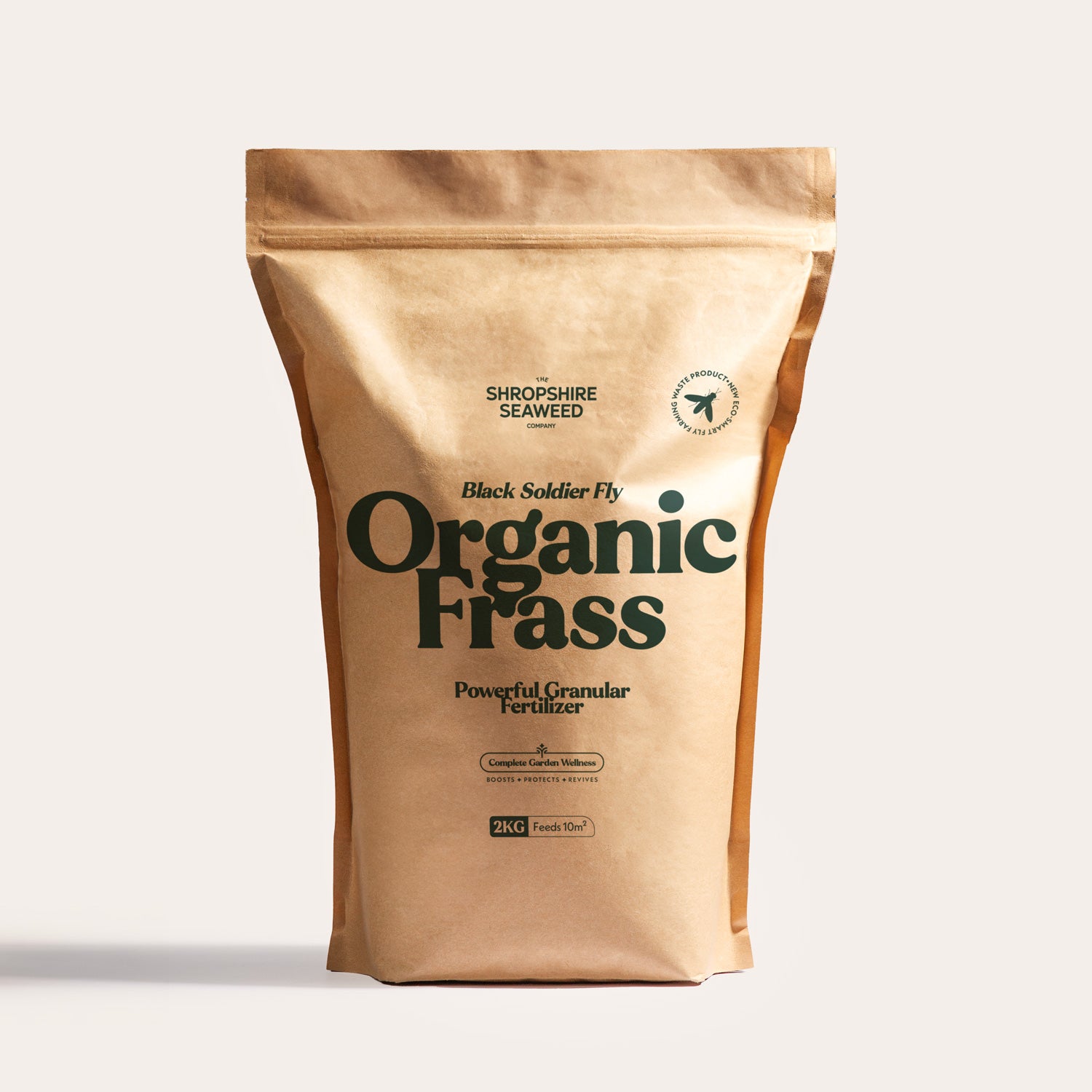
Feed the soil life before you mulch. A sprinkle of organic frass and a handful of charged biochar under the mulch gives worms, fungi and bacteria something to work on through winter. Biochar charged now, by soaking it in diluted seaweed feed, will be ready to use in spring.
Sow a green manure on large bare patches. In early November there's still time to sow grazing rye or winter field beans. Their roots hold the soil together over winter and keep soil life fed, and you can cut them down and dig them in during spring.
"This November I'll be weeding and cutting back the dead plants, then working charged biochar into any empty patches. Any large areas of bare soil will get a green manure. It's better to have something growing in the soil than leaving it bare over winter." — Shannon Bates, @diaryofaladygardener

Seeds to sow in November
There's less to sow this month, but what goes in now gives you the earliest harvests of next year.
Food
|
Crop |
Where |
Notes |
|---|---|---|
|
Broad beans |
Outdoors |
'Aquadulce Claudia' is the classic variety for autumn sowing. Sow 5cm deep and 20cm apart. Ready in May, weeks ahead of spring sowings. |
|
Hardy peas |
Outdoors under cloches (mild areas) |
Round-seeded varieties such as 'Meteor' and 'Douce Provence'. Best in sheltered, free-draining spots. |
|
Winter salads |
Under cover |
Lamb's lettuce and winter purslane in a greenhouse or cold frame for leaves through winter. |
|
Microgreens and pea shoots |
Indoors |
Ready in 10–14 days on a windowsill. A pinch of frass in the growing mix gives them a boost. |
Flowers
|
Crop |
Where |
Notes |
|---|---|---|
|
Sweet peas |
Cold frame or unheated greenhouse |
Autumn sowings make bigger, earlier-flowering plants. Use deep root trainers or loo roll tubes, as sweet peas grow long roots. |

What to plant in November
Garlic. November is the main planting month. See our step-by-step guide below.
Tulip bulbs. Planting in November, once the soil is cold, reduces the risk of tulip fire. Plant them 15–20cm deep.
Autumn onion sets and shallots. There's still time in mild areas with free-draining soil.
Bare-root fruit trees, fruit bushes and roses. The bare-root season opens this month. Bare-root plants are cheaper than potted ones and establish well while they're dormant.
Raspberry canes. Plant bare-root canes 60cm apart in rows.
Rhubarb crowns. Give each crown about 90cm of space, and don't pull any stalks in the first year.
Anemone and ranunculus corms. Plant under cover for early spring flowers for cutting.

Feeding in November
Most outdoor plants don't need feeding now. Growth has stopped, and anything you add will mostly wash away before roots can use it. Put that effort into the soil instead.
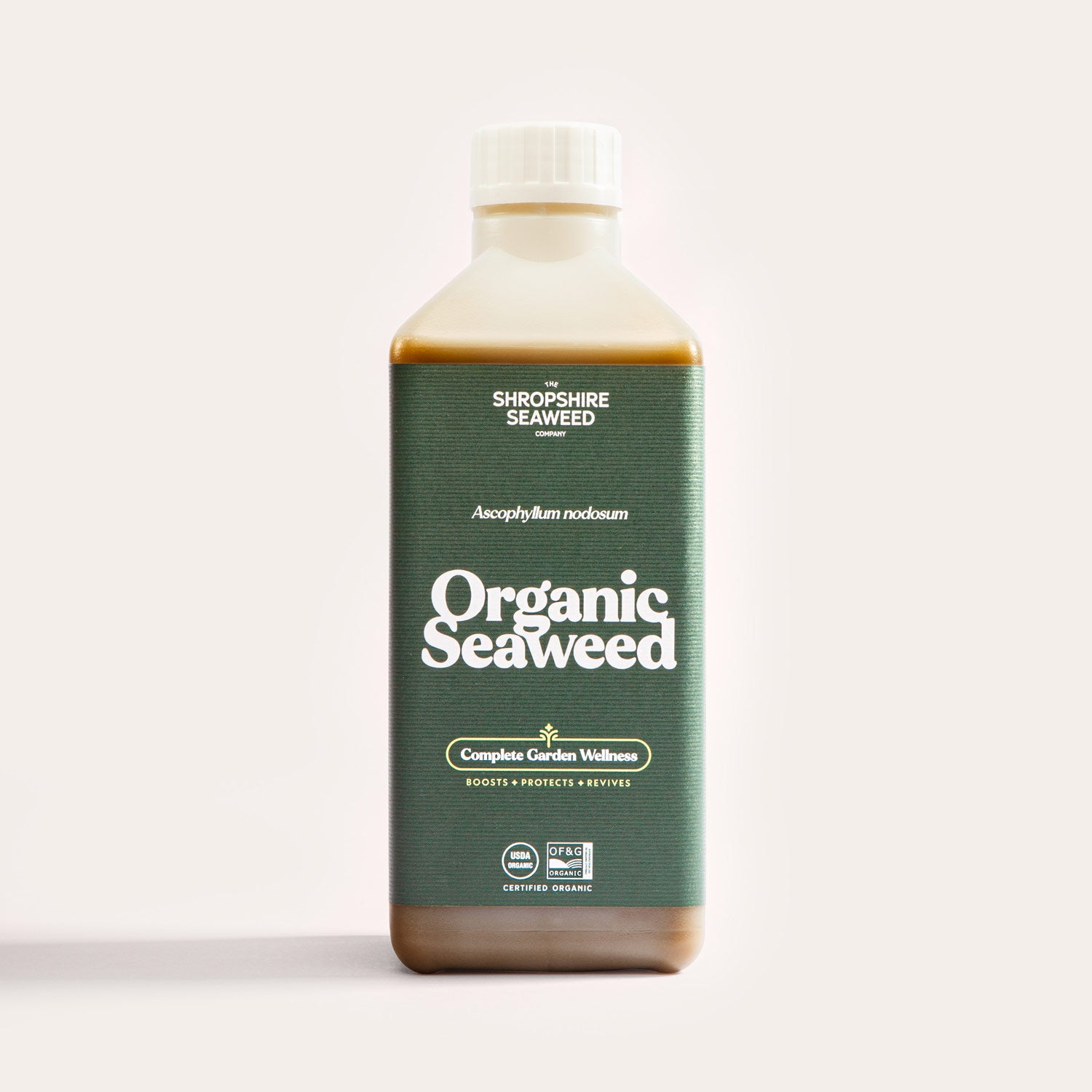
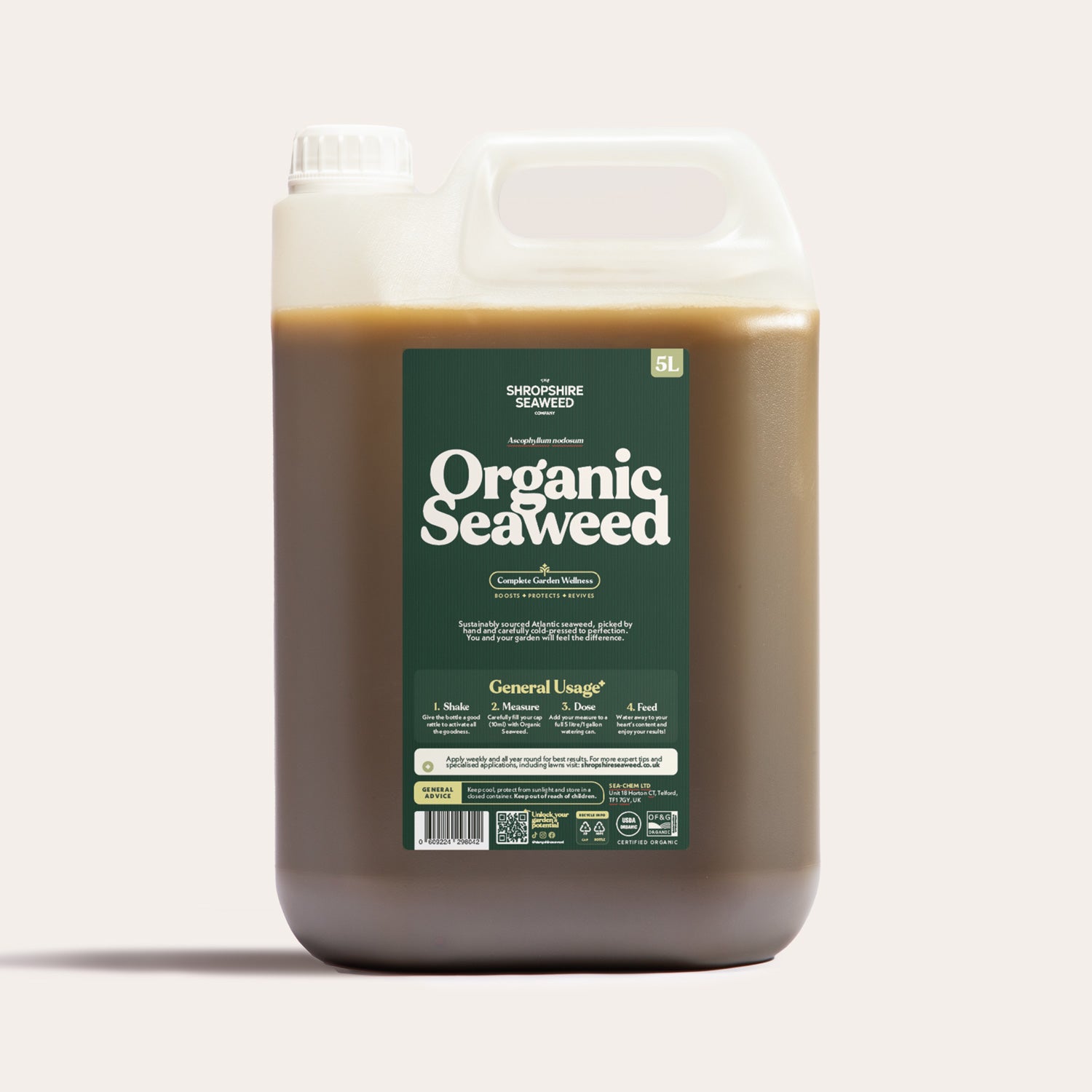
The one exception is new planting. Before planting bare-root trees, bushes, roses or rhubarb, soak their roots for an hour or two in a bucket of water with a dose of liquid seaweed. It rehydrates the roots and helps them settle in.

How to plant garlic
Garlic is one of the easiest crops you can grow, and one of the few that's planted in late autumn and left to get on with it over winter. Each clove you plant now becomes a full bulb by next summer.
Why plant garlic in November
Garlic needs a cold spell to grow well. A month or two of temperatures below about 10°C triggers each clove to split into a bulb of new cloves. Planted in spring, garlic often misses that cold spell and grows into a single round bulb instead. Planting between October and December, ideally before Christmas, also gives the roots time to establish before the soil gets too cold.

Choose the right garlic
Buy seed garlic from a garden centre or seed supplier rather than planting supermarket bulbs. Seed garlic is grown for UK conditions and certified free from virus. Supermarket garlic is often grown for warmer climates and can carry disease into your soil. For something more unusual, try elephant garlic.
There are two main types:
Hardneck garlic has a stronger flavour, copes well with cold winters and sends up a flower stalk (a scape) in late spring, which you can cut and eat. It stores for around 4–6 months.
Softneck garlic is milder, doesn't produce a scape, and stores for up to 9–12 months. It's the type to grow if you want to plait your garlic.
Prepare the bed first
Garlic likes a sunny spot and free-draining soil. It sits in the ground all winter, so waterlogged soil is its biggest risk. That's why it pays to finish your soil improvement jobs for the season before the cloves go in.
"I grow hardneck garlic and plant it in November, but only once I've finished my soil improvement jobs for the season: charged biochar mixed into the top 10–20cm and a layer of mulch. Once the cloves are in, I just leave them be." — Shannon Bates, @diaryofaladygardener
Plant the cloves
1. Break the bulb into individual cloves just before planting, keeping the papery skin on. Use the largest cloves; small ones make small bulbs.
2. Push each clove into the soil, flat end down and pointed end up, so the tip sits about 2.5cm below the surface.
3. Space the cloves 15cm apart, in rows 30cm apart.
4. Firm the soil lightly over the top and label the row.
Aftercare through winter and spring
Garlic planted into well-prepared soil needs very little from you. Keep an eye on a few things:
Cover against allium leaf miner. In areas where it's a problem, cover the row with fine insect mesh in autumn and again in spring, when the adult flies lay their eggs.
Feed as growth picks up. In early spring, give a liquid seaweed feed as the leaves start growing strongly.
Cut off hardneck scapes in late spring so the plant puts its energy into the bulb.
When to harvest
Autumn-planted garlic is usually ready in June or July. Lift the bulbs when the lower third to half of the leaves have turned yellow. Ease them out with a fork rather than pulling, then dry them somewhere warm and airy for 2–3 weeks before storing.

November jobs and what to watch-out for
Lift or protect dahlias
Once the first frost blackens the foliage, cut dahlia stems down to 10–15cm. What you do next depends on your soil.
Lifting and storing. In colder gardens, or where the soil stays wet over winter, lift the tubers and turn them upside down for a few days to drain. The key is to make sure they're fully dried out before you store them, then keep them in dry compost or newspaper somewhere dry and frost-free. Check them every few weeks for rot.
Leaving them in the ground. In milder areas, and where the soil drains well, you can leave the tubers where they are and cover them with a thick mulch of 10–15cm for extra protection. Tubers rot when they sit in waterlogged soil, so the better your soil structure, the safer this option is.
"In previous years I've always lifted my tubers and stored them over winter. The trick is making sure they're fully dried out and kept somewhere dry and frost-free. This year I'm leaving them in the ground and mulching over the top for extra protection. With all the work I've done this year to improve my soil, I'm confident they won't be sitting in waterlogged soil all winter." — Shannon Bates, @diaryofaladygardener

Other jobs this month
- Start winter pruning apples and pears once the leaves have fallen. Don't prune plums or cherries now; they're pruned in summer to avoid silver leaf disease.
- Net brassicas against pigeons, which strip winter greens when other food runs short.
- Raise pots onto feet so they drain freely, and move tender plants against a house wall or under cover.
- Fleece tender plants on frosty nights.
- Leave some seedheads and hollow stems standing. They give insects somewhere to shelter over winter.
- Clean the greenhouse, pots and seed trays ready for spring sowing.
- Check stored squash, apples and potatoes and remove anything that's starting to rot.
Watch out for
- First frosts. Keep fleece to hand and check the forecast.
- Waterlogging. Clear blocked drains and paths so water can run off beds.
- Mice. They dig up and eat broad bean and pea seed. Sowing in modules under cover and planting out later is one way around it.
- Slugs. Slugs stay active through mild, wet spells and go for young broad beans, peas and winter salads. Sprinkle frass around the base of plants as they come up. Frass has kept slugs away from crops in our community trials, and one customer who used it as a slug repellent this summer noticed little to no slug eggs in the soil where she'd applied it. That makes autumn-sown crops a good place to keep using it.

What to harvest and pick in November
Food: leeks, parsnips (sweeter after a frost), kale, cavolo nero, the first Brussels sprouts, winter cabbage, celeriac, swede, chard, winter salads under cover, the last apples and pears, and stored squash.
Flowers and foliage: chrysanthemums under cover, the last dahlias before the frost, rosehips, seedheads, and foliage such as eucalyptus for arrangements.
Jess' allotment this month
Jess, our content creator, is using November to get set up for a big growing year. She's clearing the plot, levelling the ground, setting up beds and improving the soil, and making a plan for what she'll grow where next year. If you're starting a new plot or taking on an overgrown one, winter is the time to do the groundwork, so everything is ready to plant in spring.
November FAQs
Is it too late to plant garlic in November?
No. November is one of the best months to plant garlic, and you can carry on into December as long as the ground isn't frozen or waterlogged. If you miss that window, start cloves in modules under cover in January or February and plant them out in spring.
Should I lift dahlias or leave them in the ground?
It depends on your soil and climate. In cold gardens, or where the soil stays wet, lift the tubers after the first frost, dry them out fully and store them somewhere dry and frost-free. In milder areas with well-drained soil, you can leave them in the ground under a thick mulch of 10–15cm.
Can I still plant tulips in November?
Yes. November is the ideal time. Planting into cold soil reduces the risk of tulip fire, a fungal disease that spreads more easily in warm, damp conditions. Plant them 15–20cm deep.
When should I prune apple trees?
Prune apple and pear trees in winter, from November to early March, once the leaves have fallen and the trees are dormant. Avoid pruning during hard frosts.
How do I protect plants from frost?
Cover tender plants with horticultural fleece on cold nights, move pots against a house wall or under cover, and raise them onto feet so they don't sit in cold, wet saucers. A thick mulch protects the roots of plants left in the ground.
Coming up in December
December is the quietest month in the garden, but there's still plenty to do: planting bare-root fruit and roses, winter pruning, planning next year's beds and ordering seed, and growing fresh greens on the windowsill.