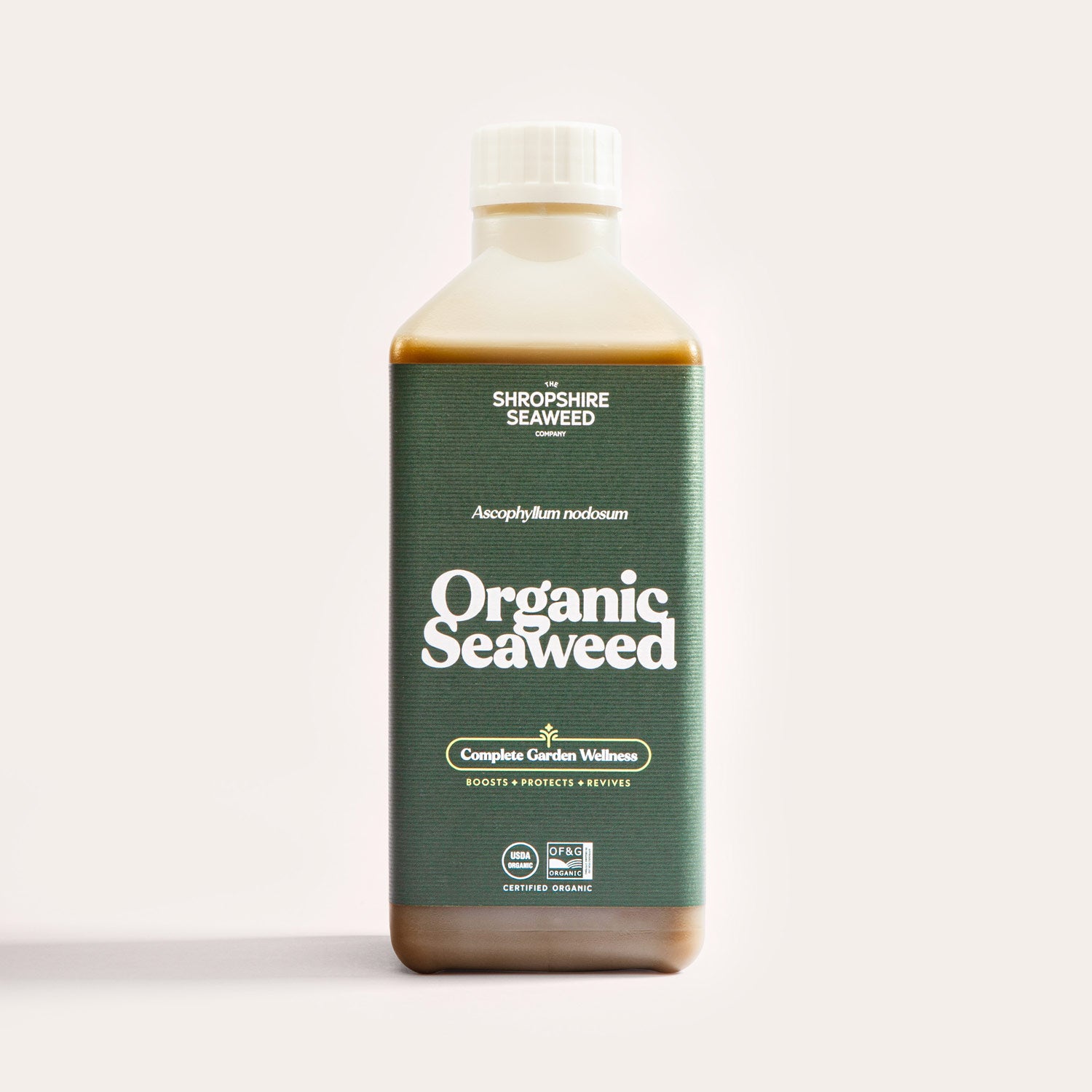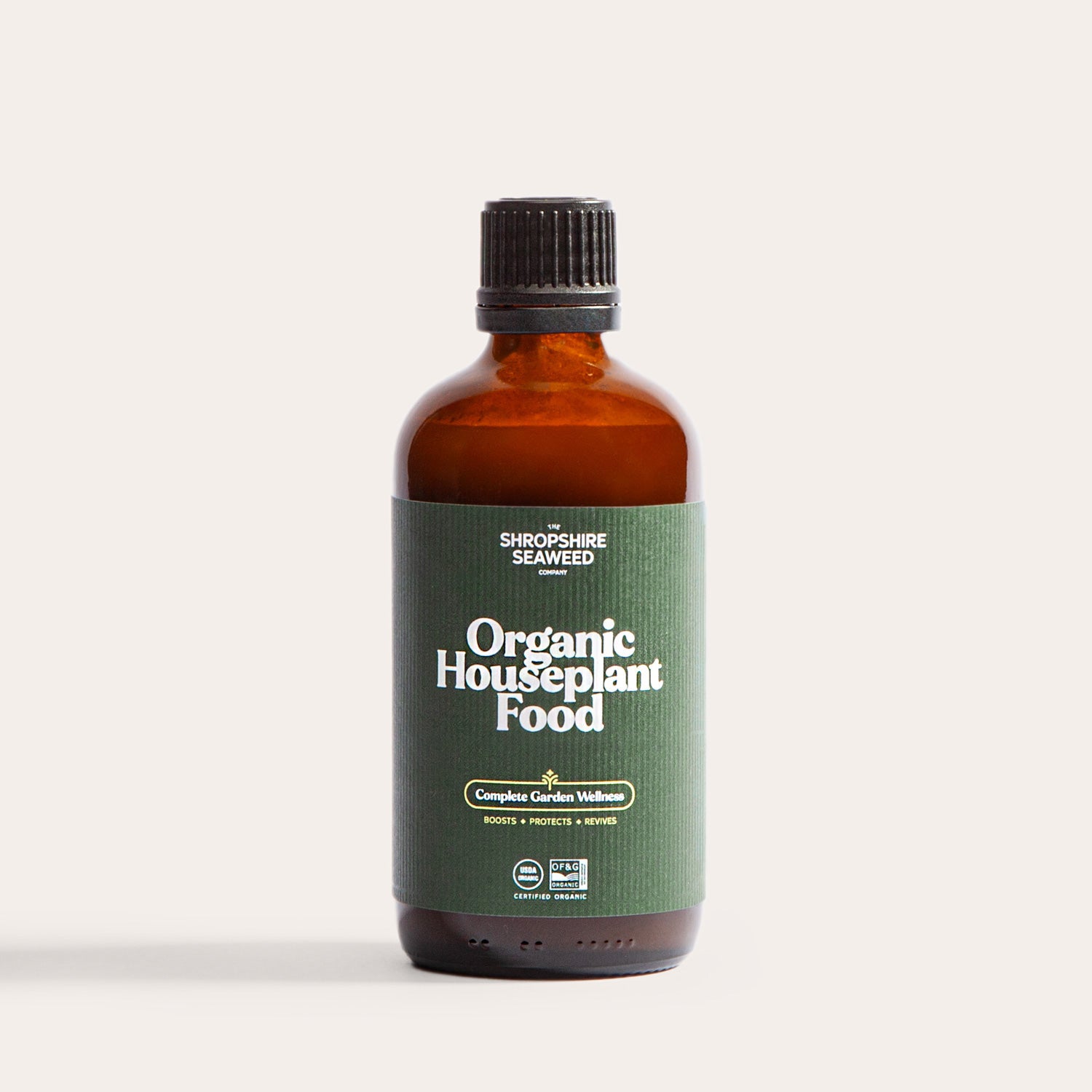
Organic Indoor Plant Food
Organic Indoor Plant Food
Feed your houseplants the gentle, natural way with our organic indoor plant food, cold-pressed and made in Britain.
This organic houseplant food is made from cold-pressed Ascophyllum nodosum seaweed and natural ingredients, giving indoor plants steady, balanced nutrition for healthy foliage, strong roots and even growth. Gentle enough for monstera, fiddle leaf figs, orchids, succulents and ferns, it works with your plants' natural rhythm rather than forcing quick growth.
One bottle makes over 50 litres of liquid feed.
In stock
Key Benefits
Key Benefits
Safe for all houseplants: including delicate orchids
Strengthens plant immunity: offering protection against pests and diseases
Increases tolerance levels: particularly from everyday stresses such as repotting or dry air
Supports growth: providing over 70 natural minerals, vitamins, and growth hormones
Improves soil structure: promoting root health and better water retention
When to Use
When to Use
Spring: Spring signifies the end of the dormant season for houseplants. Support their growth by feeding them houseplant food every two weeks.
Summer: Support your houseplants during their period of active growth by continuing to feed every two weeks.
Autumn: Reduce feeding application to every three to four weeks as the plants enter their dormant season.
Winter: During the winter, be extra careful not to overwater, feeding your houseplants once every three to four weeks.
How to use
How to use
- Shake: Gently shake before use.
- Dose: Dilute by mixing around 1ml (roughly 10 drops) per 500ml of water in a spray or mister bottle.
- Feed: Water plants and soil thoroughly, allowing it to soak in naturally.
Share this product


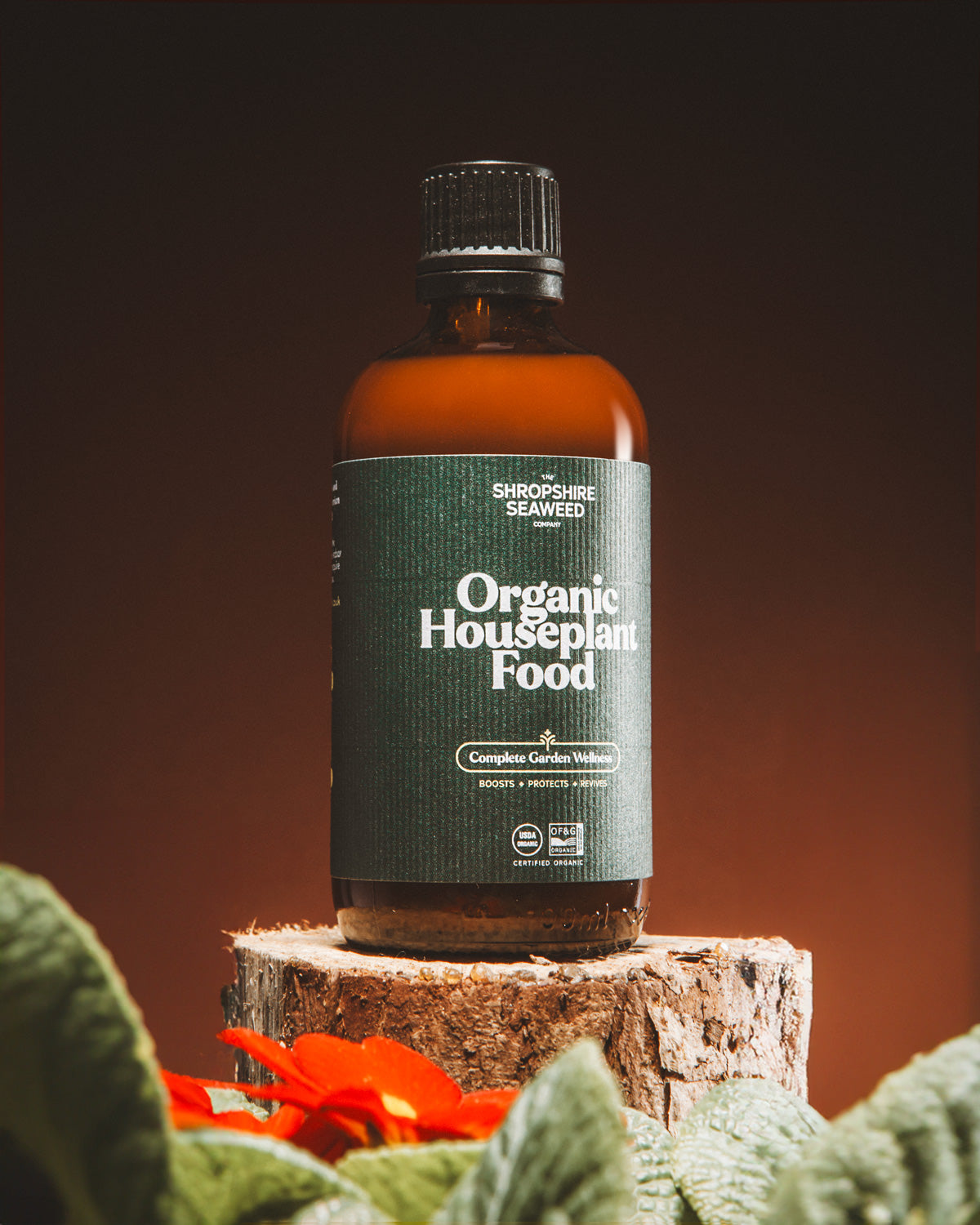
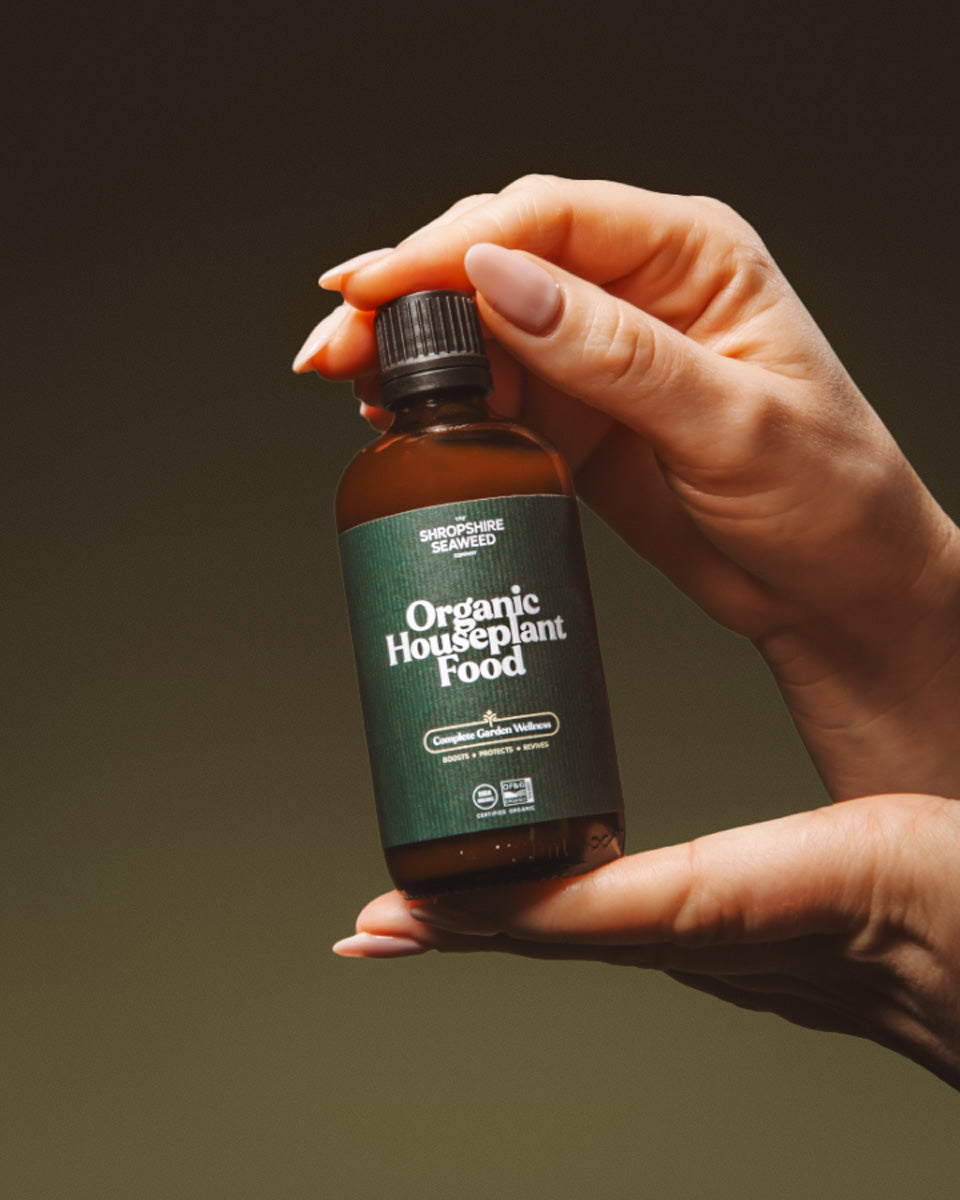
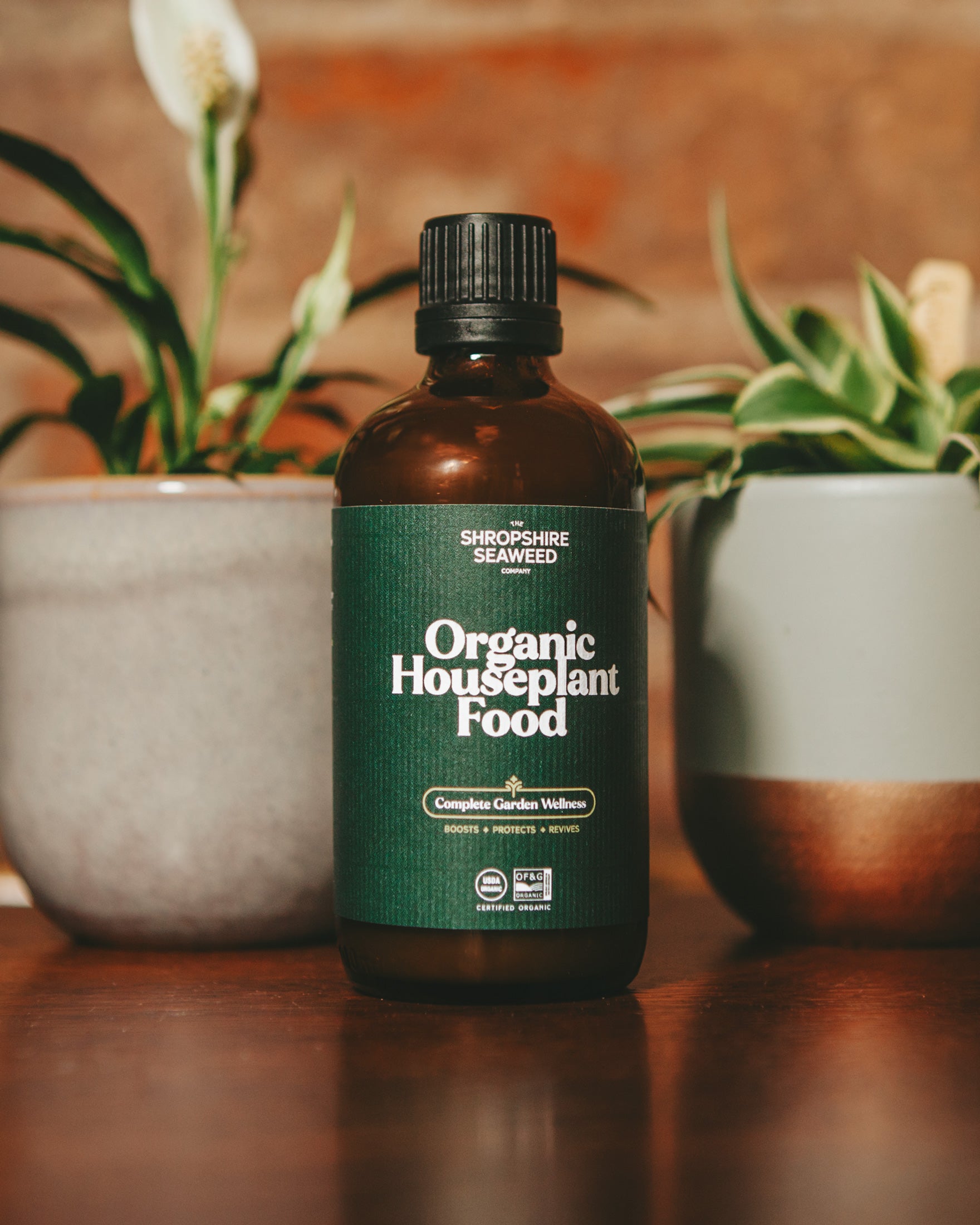

Why organic, cold-pressed houseplant food is different
Houseplants live in a finite amount of pot soil, which makes them far easier to over-feed than plants in the ground. Concentrated synthetic feeds give a fast hit of nutrients, but the excess builds up in the pot and does nothing for the soil itself. Over time that can scorch roots or leave a salt crust on the surface.
Our organic houseplant food takes the gentler route. Because it is cold-pressed from Ascophyllum nodosum seaweed, without heat or harsh chemicals, it keeps the seaweed's micronutrients, trace elements and natural growth compounds intact and releases them slowly. The result is steady, balanced feeding that supports roots, foliage and the soil in the pot at the same time, with far less risk of over-feeding.
It is a considered way to feed indoor plants, closer to nourishing them than forcing them. To understand how cold pressing preserves what heat-treated feeds lose, read our complete guide to seaweed fertiliser.
Our organic indoor plant food suits a wide range of houseplants: leafy tropicals like monstera and fiddle leaf figs, orchids, succulents, ferns, and everyday favourites on the windowsill. Because it is gentle and slow-releasing, you can use the same bottle across your whole collection without worrying about scorching the more delicate ones.
For a full routine that brings watering, light and feeding together, see our essential guide to houseplant care.

Trusted by Plant Lovers & Professional Houseplant Retailers
Our organic houseplant food is used by home growers and specialist plant retailers who value gentle, consistent care. From leafy tropicals to orchids and succulents, it’s chosen by people who want to support healthy plants without overfeeding or forcing growth.
Because it’s made using cold-pressed Ascophyllum nodosum seaweed, the natural compounds that plants respond to are kept intact. This means nutrients are available in a form plants can use gradually, supporting steady root development and balanced growth over time.
Its natural, organic formulation makes it suitable for regular use indoors, including in homes with pets and children. For growers and retailers alike, it offers a dependable, soil-aware approach to everyday houseplant care.
Not just food, but complete care for modern indoor plant living, this is why more and more plant lovers are making the switch.
FAQs
What is Organic Houseplant food?
What is Organic Houseplant food?
Organic houseplant food is a natural fertiliser made from organic seaweed plant-based ingredients, free from synthetic chemicals. Our formula uses cold-pressed seaweed, which delivers essential nutrients and growth hormones that encourage stronger roots, greener leaves, and healthier indoor plants.
Is your Organic Houseplant safe for all houseplants?
Is your Organic Houseplant safe for all houseplants?
Yes – when used as directed, our organic houseplant food is safe for all indoor plants, including delicate species such as orchids, succulents, and ferns. Unlike chemical feeds, it won’t scorch roots or cause nutrient overload.
How often should I feed my houseplants?
How often should I feed my houseplants?
Most houseplants benefit from feeding every 2 weeks during the growing season (spring and summer), and less often, every 4 weeks in the dormant season (autumn and winter) when growth slows.
Can I use your Organic Houseplant on orchids or succulents?
Can I use your Organic Houseplant on orchids or succulents?
Absolutely. Our gentle, nutrient-rich formula helps orchids produce stronger roots and longer-lasting blooms, while succulents benefit from improved root health and resilience without risk of overfeeding.
What makes Organic Seaweed good for houseplants?
What makes Organic Seaweed good for houseplants?
Seaweed is rich in natural growth stimulants, trace minerals, and amino acids. It improves soil health, boosts plant immunity, and supports lush foliage and stronger roots. It’s a sustainable alternative to synthetic houseplant feeds.
Will this help revive unhealthy houseplants?
Will this help revive unhealthy houseplants?
If your plants are suffering from poor growth, yellowing leaves, or weak roots, feeding with our Organic Houseplant Food can restore vitality, strengthen roots, and promote new healthy growth.
Should I feed houseplants in winter?
Should I feed houseplants in winter?
Generally, no. Most houseplants slow right down through the winter months as light levels drop, and feeding them regularly while they're resting can build up nutrients faster than the plant can use them. Pause feeding from about November through to February, then resume gently as the days lengthen and new growth appears.
Can you overfeed houseplants?
Can you overfeed houseplants?
Yes, and it's more common than people realise, usually with concentrated synthetic feeds rather than gentle organic ones. Overfeeding shows as scorched leaf tips, a salt crust on the soil surface, or sudden droop. A cold-pressed seaweed feed is forgiving by design: it releases nutrients slowly enough that overfeeding is hard to do accidentally. Stick to the dilution and feed every two weeks through spring and summer.
What's the difference between organic and synthetic houseplant food?
What's the difference between organic and synthetic houseplant food?
Synthetic feeds deliver concentrated nutrients in a form the plant can absorb immediately, fast results, but the nutrients can build up in pot soil over time and do nothing for the soil itself. Organic feeds release more slowly and support the soil biology in the pot as well as the plant above. For houseplants growing in a finite amount of pot soil, organic feeds tend to be the gentler long-term choice, though they take a few weeks to fully kick in.
Journals