By Shannon Bates, RHS Level 2 in Principles of Horticulture, Diploma in Garden Design, and 9 years growing everything from an allotment plot to a community garden.
The jobs you do now will play a big part in how your garden grows next season. The soil is still warm, the rain is returning, and roots are still growing, so anything you put in place over autumn and winter has time to settle before spring. The wildlife you shelter now becomes the pest control and pollination you depend on next summer.
This is a thorough, area-by-area guide to what's worth doing, starting with the most important job of all: the soil.

Maintenance and tidying
The last area is the practical tidy, and timing matters as much as effort. Done now, these jobs protect your plants and tools through winter and save you work in spring.
Clean pots, the greenhouse and your tools
Pests and diseases overwinter in exactly the places we forget to clean. Wash empty pots and seed trays in hot, soapy water so you're not sowing next year's seedlings into last year's problems. Give the greenhouse a proper clean too: wash down the glass inside and out to let in every bit of low winter light, clear out plant debris, and wipe down staging and any corners where pests might shelter. Clean, sharpen and oil your secateurs, loppers and spade while you've got the time, and they'll be ready and sharp the moment you need them.
Prune with the season in mind
Pruning isn't just tidying. Taking out the right growth keeps a plant healthy and productive: it removes the dead and diseased wood where problems start, opens the plant up so air and light can get through and reduce fungal disease, and directs its energy into strong new growth, better flowers and more fruit.
Whatever the plant, start with the four D's: anything dead, diseased, damaged or dying is always safe to cut out, at any time of year. Once that's done, autumn and winter are the right time for some pruning and the wrong time for other, so match the rest to the plant:
Deciduous shrubs, fruit trees and climbers are best pruned once dormant, after leaf fall through to late winter, while you can see the structure clearly. Apples and pears, for example, are winter-pruned.
Stone fruit like plums and cherries are the exception. Leave these until summer, as winter pruning exposes them to silver leaf disease.
Spring-flowering shrubs such as forsythia and many clematis flower on old wood, so pruning now removes next spring's display. Leave them until just after they've flowered.
Hydrangeas are best left with their faded heads on over winter, as they protect the buds beneath from frost. Tidy them in spring instead.
If in doubt, leave it. You can always prune in late winter once you've checked what the plant needs.
Deal with dead plant material properly
How you clear dead material matters. Healthy spent foliage and prunings are ideal compost material, so add them to the heap to become next year's soil food. But don't compost anything diseased: blighted tomato and potato foliage, rose leaves marked with blackspot, or anything showing mildew or rot should be binned or burned, not composted, or you'll simply spread the problem back across the garden next season. And remember the wildlife section here too: healthy hollow stems and seedheads are worth leaving standing rather than clearing, for the shelter and food they provide.

Building and improving your soil
If you do one thing this autumn, work on your soil. After a summer that left so many of us with ground baked to concrete, this is the season to put that right, and the improvements you make now carry straight through to an easier, more productive year ahead.
Feed while the rain is helping you
After a long dry spell, a stretch of autumn rain rehydrates soil that's been running on reserves, and root hairs can finally take up what you give them again. That makes early autumn one of the best feeding windows of the year.
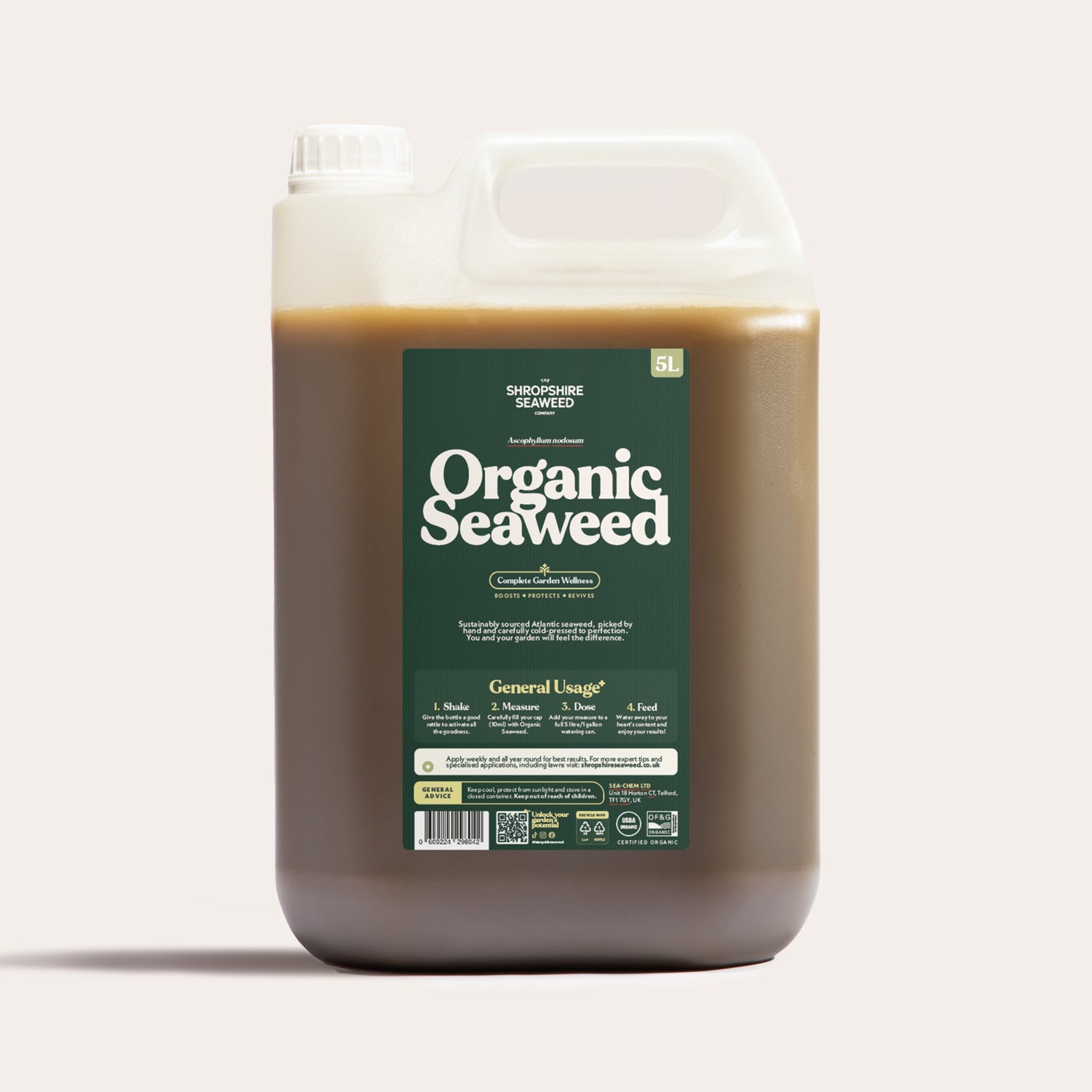
Keep feeding with a cold-pressed liquid seaweed fertiliser every one to two weeks through September, then move to every one to two months from October through March as growth slows. Seaweed isn't a high-nitrogen feed that forces out soft growth, so it won't leave plants vulnerable going into winter. It's a biostimulant that works with the plant's own processes, strengthening root systems and hardening growth so plants are better equipped to handle frost. Because it's so gentle, there's no risk of scorching roots or overfeeding, so an autumn tonic is all upside.
Mulch, in whatever form suits you
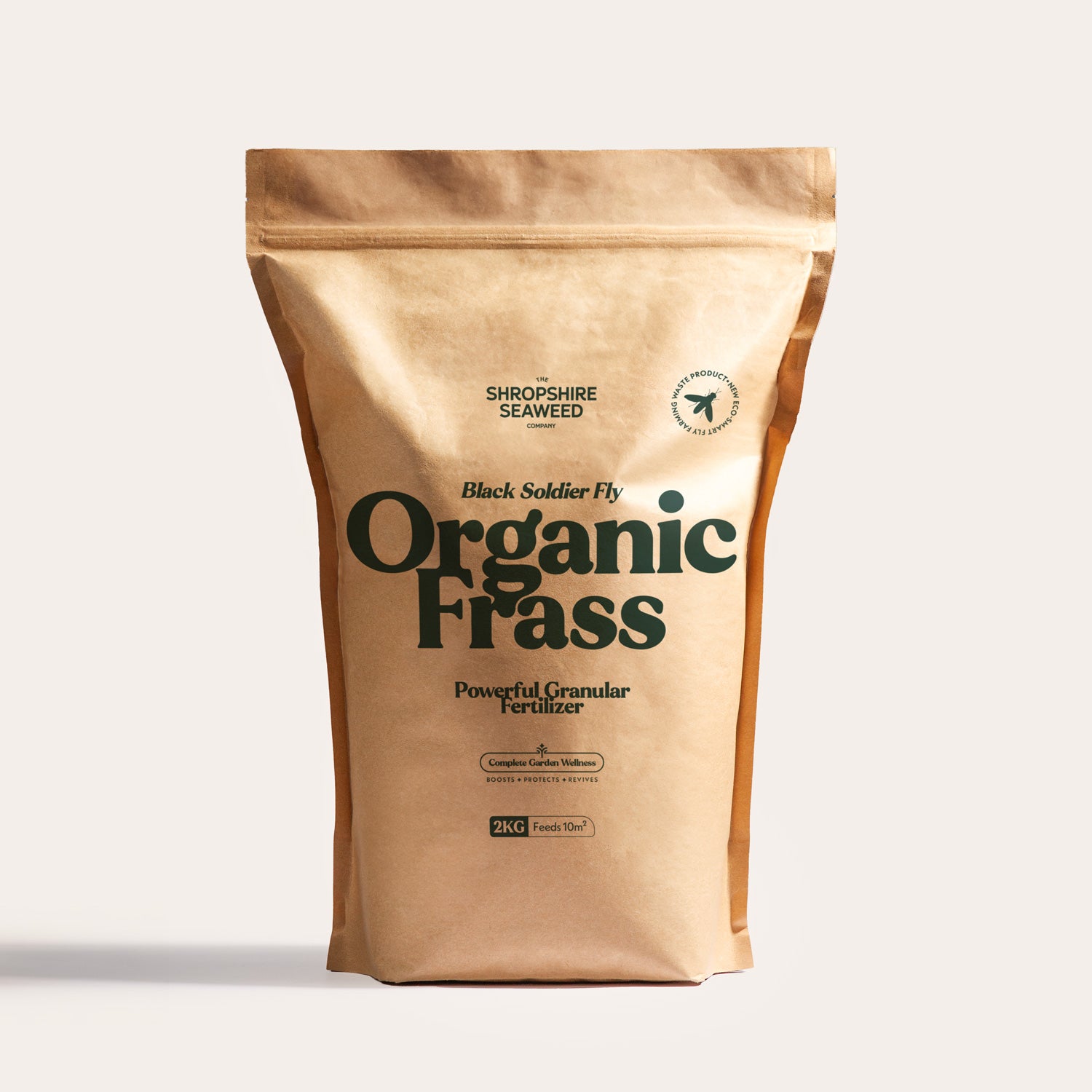
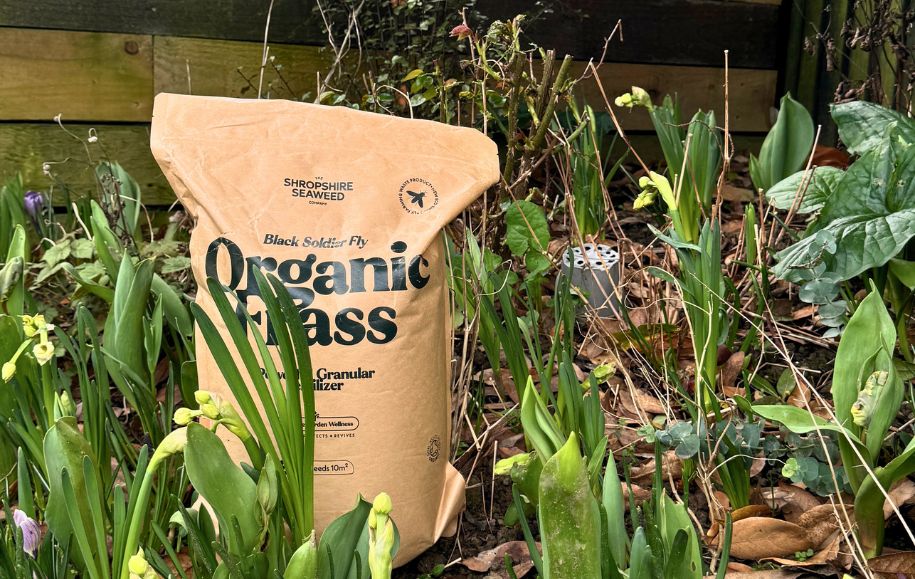
Mulching is the single most valuable job in the garden right now. Compost, leaf mould, well-rotted manure, green manure or frass, take your pick, and know that whatever you lay on the surface now is pulled down into the soil biology by the worms and microbes over winter. You don't need to dig it in.
This is the whole principle behind no-dig: feed from the top, leave the structure undisturbed, and the soil improves year on year rather than being reset every season. A good layer of organic matter now is the best insurance there is against the soil baking solid again next summer, because it holds moisture, feeds the life underground, and protects the surface from being battered by heavy winter rain.
Charge your beds for spring
If you're building new beds or replanting existing ones, this is the moment to dig in biochar soil improver. Biochar is highly porous, which means it holds onto water and nutrients and gives soil microbes a stable home that lasts for years. Charge it first by mixing it with liquid seaweed, compost or worm castings for at least 24 hours, otherwise fresh biochar can pull nutrients out of the soil before it starts releasing them. Add it now and it's fully active by the time spring planting comes round.
For the full picture on soil types and how to improve each one, read our guide to improving your soil naturally.

Supporting wildlife
A garden with plenty of wildlife needs far less intervention from you. The birds, insects and soil organisms you support over winter are the same pest predators, pollinators and soil-builders that do the hard work for you next year. Most of supporting them comes down to one thing: leave what you can.
Leave the leaves
A layer of fallen leaves across the borders, and a pile in the corner, gives hedgehogs, frogs, beetles and overwintering insects somewhere to shelter. Many of those insects, including ladybirds and ground beetles, are the predators that keep aphids and slugs down next spring. Clear leaves off the lawn and paths where they'd smother growth or turn slippery, but leave them where they fall on the beds.
Leave the seedheads
Stems left standing on plants like teasel, echinacea, sedum and ornamental grasses feed finches and other birds through the hungry months, and they look beautiful under frost. They also self-seed, giving you free plants next year.
Leave the roots in the ground
When a crop or annual is finished, cut it off at soil level rather than pulling it up. The roots break down in place, feeding the soil biology and leaving the fungal networks and soil structure intact. It's the same no-dig thinking applied to clearing beds.
Do the bigger tidy in late winter or early spring instead, once the wildlife has had the benefit of the cover.

Planning for the seasons ahead
Autumn is for thinking time as much as working time. A little planning now is how you move from a garden that peaks for a few weeks in summer to one that gives you food and colour across the whole year.
Sow the overwinter crops
These are plant-now, harvest-later crops. Get garlic, broad beans, spring cabbage and winter salads in before the worst of the cold so they establish their roots first. They'll sit through winter and give you some of the earliest harvests of next year, when the garden is otherwise bare.
Plan for year-round interest
Use the quieter months to work out where the gaps were this year, then fill them. Spring bulbs go in now, daffodils and crocus in early autumn, tulips once the soil has cooled. Plant a few things that earn their place in winter too: evergreen structure, stems with winter colour, and early flowers for the first pollinators. Planning a season ahead at every stage is what keeps something happening in the garden all year.
This is also the right moment to plan your beds as systems rather than single crops. We often see gardens planted in perfectly neat rows, but it doesn’t have to be that way. By growing crops together, you can make a huge impact on how much you harvest later in the year. Companion planting, growing the right plants together to deter pests, draw in pollinators and fix nitrogen, reduces how much you need to intervene next year. Our guide to companion planting in the UK walks through the combinations worth trying.
Save seeds from your best plants
Fill your garden for free next year by saving seed from your strongest, healthiest plants, the ones that already proved they suit your conditions better than any generic commercial variety will. The easiest to start with are sunflowers, cosmos, calendula, poppies and sweet peas. One thing to know: if you grew F1 varieties, their seed won't come true, so those aren't worth saving.
Take cuttings
Get more plants for nothing by taking cuttings now from herbs, roses, salvias and tender perennials, ready to plant out next year. It's the simplest way to multiply plants you already love and fill gaps without spending a thing.
Caring for your lawn
Most people feed their lawn in spring, but autumn is the better window. Warm soil, returning rain and far less growth stress mean the grass can recover and build roots rather than being pushed into soft top growth that won't survive the cold. If your lawn was baked brown this summer, now is your chance to bring it back.
A day of work this autumn will make a huge impact on next spring’s lawn:
1. Aerate to relieve the compaction that builds up over summer, letting water and air reach the roots.Scarify to rake out the dead thatch sitting at the base of the grass.
2. Overseed any bare or thin patches with a high quality grass seed blend mixed with a handful of frass while the soil is still warm enough for it to germinate.
3. Apply a dressing of organic lawn conditioner to feed the soil beneath the turf and build root strength.
4. Finish with a glug of seaweed to help the whole lawn establish and harden off.
For the month-by-month version, see our lawn care calendar.
Autumn and winter aren't the off-season. These months set up how well everything grows next year. Build your soil while it's warm and wet, support the wildlife that works for you, plan for food and colour across the whole year, look after the lawn in its best window, and handle the maintenance that protects what you've got. Do all this and your garden will be in far better shape when spring arrives.
Explore our organic soil improvers, lawn care range and cold-pressed seaweed, and follow us on Instagram for more seasonal growing advice.