Biochar Soil Improver
Biochar Soil Improver
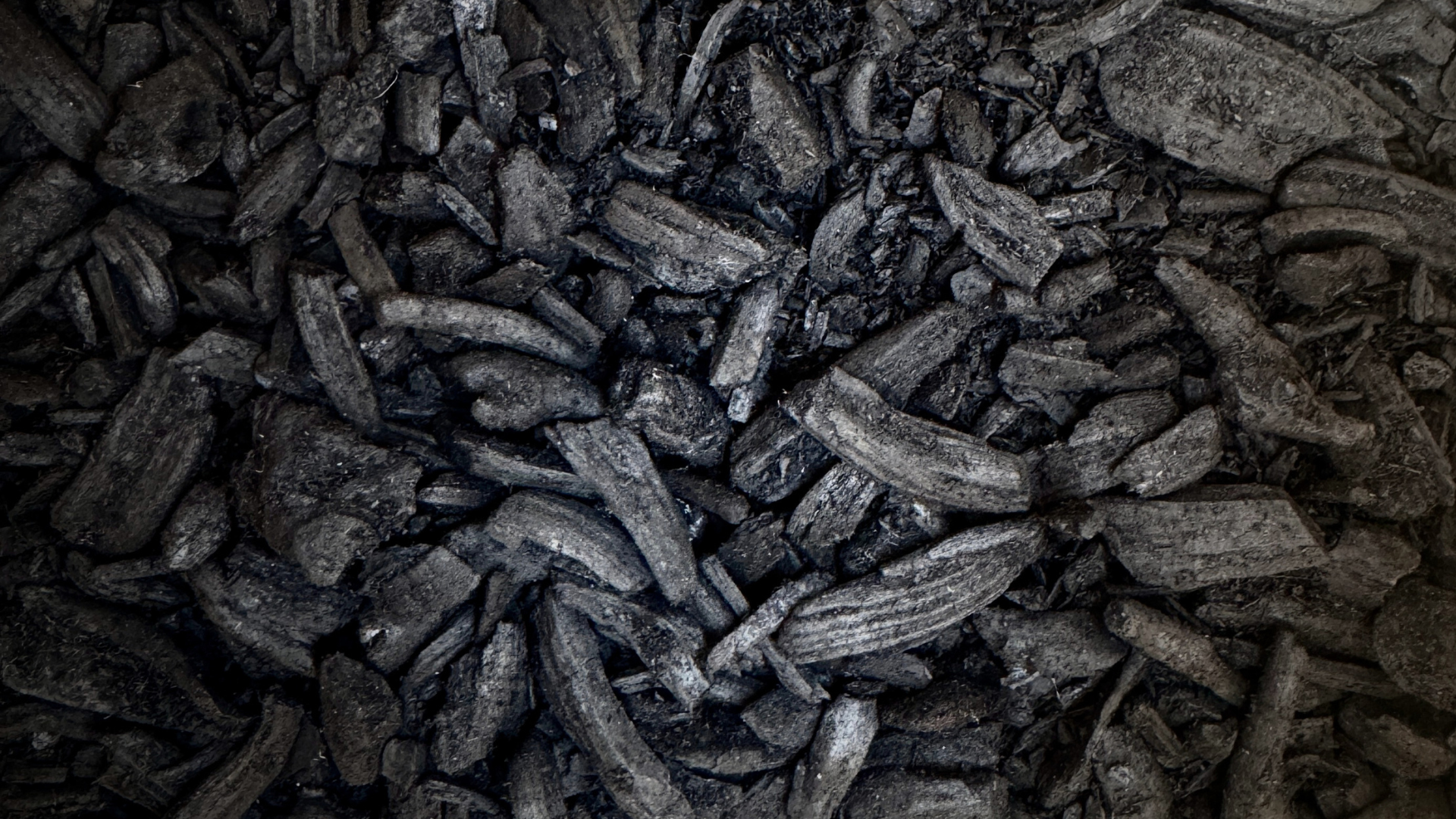
Biochar is a highly porous form of stable carbon, created by heating natural wood in a low-oxygen environment. When added to soil, it becomes part of the soil itself, helping to improve structure, retain moisture, and support the life beneath the surface.
Unlike compost or fertiliser, biochar is a natural soil improver that does not break down quickly. It remains in the soil for years, quietly supporting healthier, more balanced growing conditions over time.
Our biochar has been independently laboratory tested to ensure it is clean, stable, and suitable for use across the garden. It is aligned with the standards used in professional horticulture and regenerative agriculture, carefully adapted for use in your own growing spaces.
In stock
Key Benefits
Key Benefits
- Helps improve soil structure, making it easier for roots to grow and access nutrients
- Supports soil to hold water more evenly, reducing drying out in lighter soils
- Helps keep nutrients in the root zone rather than washing away
- Provides a stable home for beneficial soi microbes
- Fine grade allows for more even mixing through soil and compost
- Long-lasting in the soil, supporting growing conditions over time
- Works alongside compost, frass and seaweed to support a more balanced soil system
When to use
When to use
Biochar can be used at any time of year, whenever you are working the soil.
- Before planting or sowing
- When preparing beds or borders
- When mixing compost or potting blends
- When planting trees, shrubs or vegetables
- During autumn or spring soil preparation
Because biochar remains in the soil, it is usually applied once, with occasional top-ups where needed.
How to use
How to use
Mix biochar into the top 10–20 cm of soil where roots are active.
For best results, blend with compost, organic frass, or TOP TIP! soak lightly in diluted seaweed feed before use. The finer grade helps it mix evenly through soil for consistent results.
Application by Soil Type
Heavy Clay Soil
Up to 1 litre per m² (approx. 400 g)
Improves drainage and reduces compaction.
Loam (balanced garden soil)
0.5–1 litre per m² (200–400 g)
Supports structure and long-term soil health.
Sandy Soil
0.5 litre per m² (approx. 200 g)
Helps retain moisture and nutrients.
Depleted or Overworked Soil
1 litre per m² (approx. 400 g)
Helps rebuild structure and support soil life.
Share this product

A Lasting Foundation for Healthier Soil and Improved Plant Resilience
Not all biochar is the same. How it’s made and what it’s made from determines how well it supports your soil. We use clean, sustainably sourced wood and carefully controlled production to create a stable, long-lasting biochar. This means it holds its structure in the soil, working over time rather than breaking down quickly.
When added to the garden, biochar helps soil work more effectively. It supports better structure, helps retain water and nutrients, and creates space for roots and beneficial microbes to thrive.
Biochar doesn’t feed plants directly. Instead, it helps your soil make better use of the organic matter and nutrients you already add, supporting healthier, more balanced growth over time.

Where Soil, Nutrition and Biology Come Together
Biochar works best as part of a wider approach to soil care. On its own, it provides structure and stability. When combined with natural inputs like our organic frass and cold-pressed seaweed, it becomes part of a more active, balanced soil system.
With Organic Frass
With Organic Frass
Mixing biochar with frass when adding to soil allows beneficial microbes and nutrients to settle into the biochar’s porous structure.
Once in the soil, this helps to:
- support a more active soil ecosystem
- hold nutrients in the root zone
- create steady conditions for root development
Frass brings biology and nutrition. Biochar helps hold and distribute it more evenly through the soil.
With Organic Seaweed
With Organic Seaweed
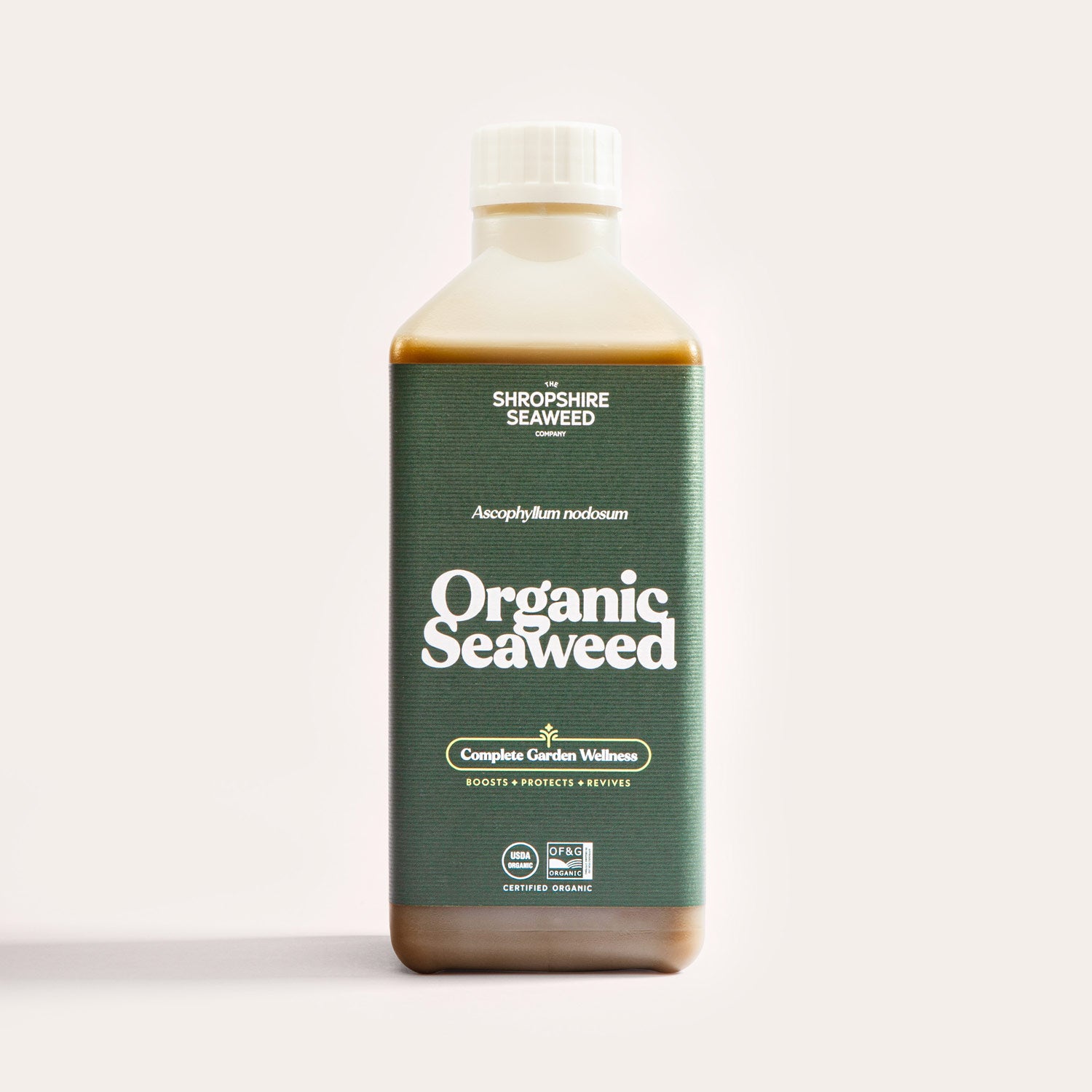
Soaking biochar in diluted seaweed feed before use allows it to absorb trace elements and natural growth compounds.
When added to soil, this can:
- support early root establishment
- help nutrients remain available to plants for longer
- encourage more balanced, resilient growth
Even a light soak is enough. Biochar will continue to absorb nutrients once in the soil.
Biochar, Frass & Seaweed Together
Biochar, Frass & Seaweed Together
When used together, biochar, frass and seaweed each support the soil in a different way. Biochar provides structure and stability, frass brings soil life and natural nutrition, and seaweed supports root development and plant resilience.
In combination, they help soil hold water more evenly, retain nutrients more effectively, and support healthier plant and vegetable growth over time.
This approach is about building soil that continues to improve, season after season.
FAQs
How long does biochar last in soil?
How long does biochar last in soil?
Biochar is one of the most stable materials you can add to soil. Unlike compost or organic fertilisers, it does not break down. Once in the ground, it remains structurally active for centuries, some biochar found in ancient soils has been dated at over 2,000 years old.
Is biochar safe for vegetables?
Is biochar safe for vegetables?
Yes. Our biochar is independently laboratory tested and made from clean, sustainably sourced wood with no additives, binders or chemical treatments. It is suitable for use in vegetable beds, raised beds, and any area where edible crops are grown.
How much biochar should I add?
How much biochar should I add?
The right amount depends on your soil type. As a general guide, 0.5–1 litre per square metre is sufficient for most garden soils, applied to the top 10–20cm where roots are most active. Sandy soils benefit from the lower end to improve moisture retention; clay and depleted soils can take a little more to help open up structure. Refer to the application table on this page for soil-specific guidance.
Does biochar need to be charged first?
Does biochar need to be charged first?
It is not strictly required, but we recommend it. Fresh biochar is highly porous and will absorb whatever is around it when it first enters the soil, including nutrients that your plants need. Charging it beforehand fills those pores with something beneficial before it goes in, so it works with your soil from the start rather than temporarily drawing from it. A light soak in diluted seaweed feed for 24 hours is enough.
Is biochar the same as charcoal?
Is biochar the same as charcoal?
They are made through a similar process, but they are not the same thing. Barbecue charcoal is typically made to burn, often contains chemical additives, accelerants or binding agents, and is not suitable for soil. Biochar is produced specifically for soil application, from defined clean wood sources, at carefully controlled temperatures, to meet horticultural standards. Our biochar is independently tested to confirm it is free from harmful residues and safe for garden use.
Is biochar peat free?
Is biochar peat free?
Yes. Our biochar is made entirely from sustainably sourced wood. No peat is involved at any stage of production. It is a fully peat-free soil improver.
Is biochar safe for children and pets?
Is biochar safe for children and pets?
Yes. Our biochar is made from clean, sustainably sourced wood and contains no synthetic chemicals, additives or harmful residues. It is inert once in the soil and does not release anything into the surrounding environment. As with any soil amendment, we recommend washing hands after gardening and keeping children and pets away from freshly worked soil until it has been watered in.
Journals