By Shannon Bates, RHS Level 2 in Principles of Horticulture, Diploma in Garden Design, and 9 years growing everything from an allotment plot to a community garden.
Whether you've picked up a bouquet from the shop or cut your own from the garden, the same handful of habits keep flowers fresh longest: clean water, a proper cut and the right spot in the room. We'll cover all of that here.
But if you grow your own, vase life actually starts weeks earlier, in the soil. Healthy, well-fed plants produce stronger stems and thicker petals, and that resilience carries straight through to the cutting and the water they sit in afterwards. This guide covers the whole chain: growing healthy plants, harvesting and conditioning them properly, keeping any bunch fresh in the vase, and drying the ones worth keeping.

How to make cut flowers last longer in a vase
Follow these steps for any bunch, shop-bought or homegrown:
- Trim the stems. Cut 2 to 3cm off each stem at a 45-degree angle before it goes in water with clean, sharp snips. The angled cut opens up more surface area for water to reach the flower.
- Strip the lower leaves. Remove any foliage that would sit below the waterline. Submerged leaves rot and breed the bacteria that shortens vase life.
- Use a clean vase and flower food. Our organic flower food is the world's first certified organic flower food, dissolved in fresh water. This will extend the life of the flowers providing a source of energy.
- Change the water every two to three days, re-cutting the stems and adding fresh water and flower food each time.
- Remove any fading flowers or leaves at each water change. If you've ever emptied a vase and found slimy stems underneath, that bacteria is exactly what's shortening the life of everything else in the water. Removing them early is key to giving the vase its longest possible life.
- Keep the vase out of direct sunlight and away from anywhere warm. Heat and strong light are two of the fastest ways to cut a bunch's life short.
Top tip: not every cut flower plays nicely together.
- Daffodils and hyacinths release a sap or mucilage that's toxic to other flowers. Left to mix into the water too soon, it clogs the stems of softer flowers like tulips and irises and can bring down the whole arrangement within hours. Condition them alone first, either standing them in fresh water for several hours, or dipping the cut ends in just-boiled water for about 15 seconds to seal the stem. Don't recut them afterwards, as this releases more sap.
- Poppies and euphorbia bleed a milky sap that can clog other stems too, particularly roses. Seal them the same way, with a quick dip in just-boiled water.
- Carnations give off ethylene gas as they age, which speeds up wilting in ethylene-sensitive flowers like sweet peas, delphiniums, orchids and freesia. Keep carnations in their own vase, or make sure any you're mixing in are freshly cut.
Once conditioned, daffodils, hyacinths, poppies and euphorbia are all safe to add to a mixed arrangement.

How to make homegrown flowers last longer in a vase
If you grow your own cut flowers, vase life starts weeks before you ever pick up the secateurs, with the soil.
Healthy soil grows flowers that last
A plant grown in poor soil will always produce a shorter-lived flower than one grown in soil that's alive with microbial activity, because everything the plant needs, its water retention, its root strength, its resistance to pests and disease, comes from what's happening underground.
No-dig is the simplest place to start. Leave the soil structure undisturbed and let the worms and fungi do the work, and it improves year after year rather than being reset every season. Homemade compost is worth the effort too. It's full of the microbial life that bagged compost simply doesn't have.
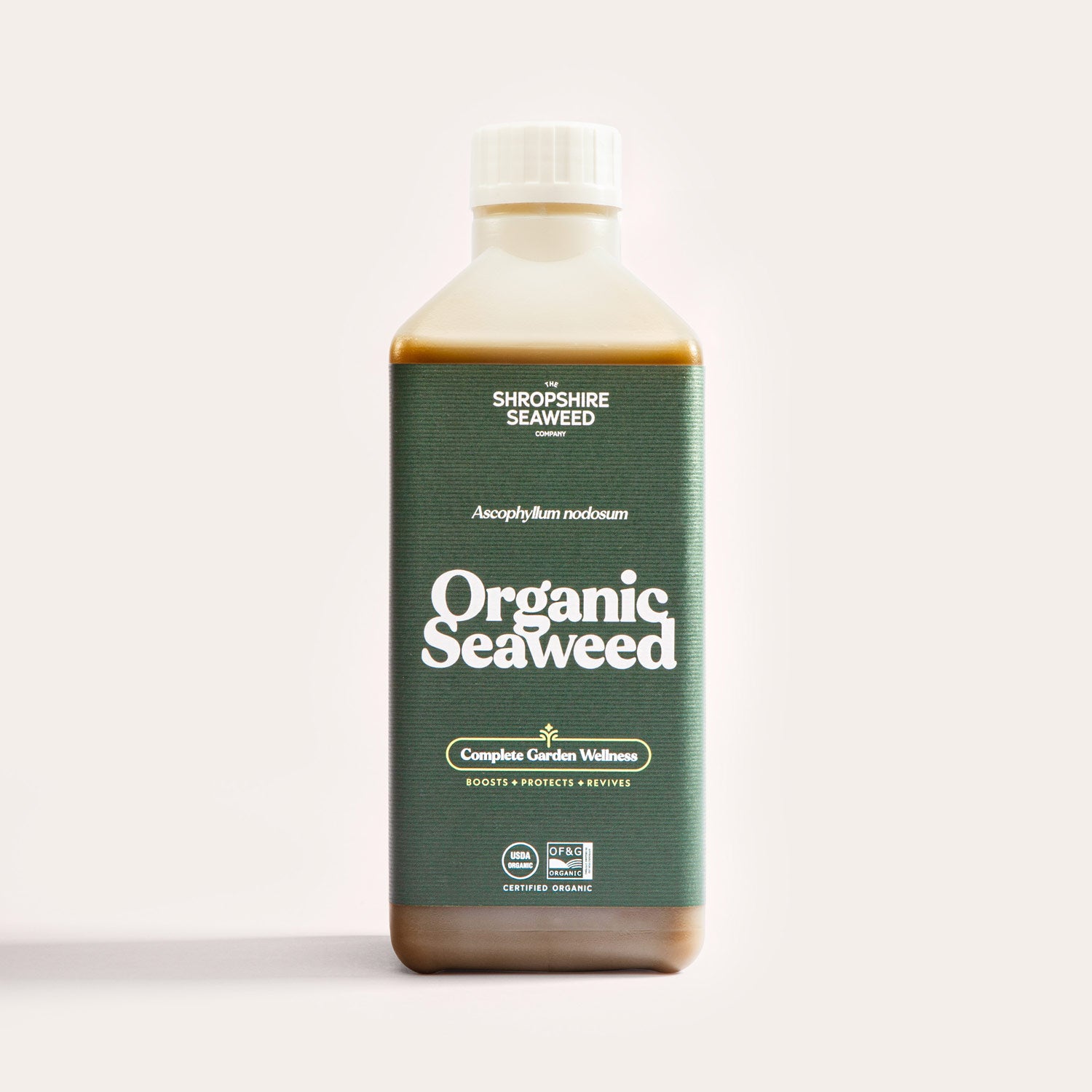
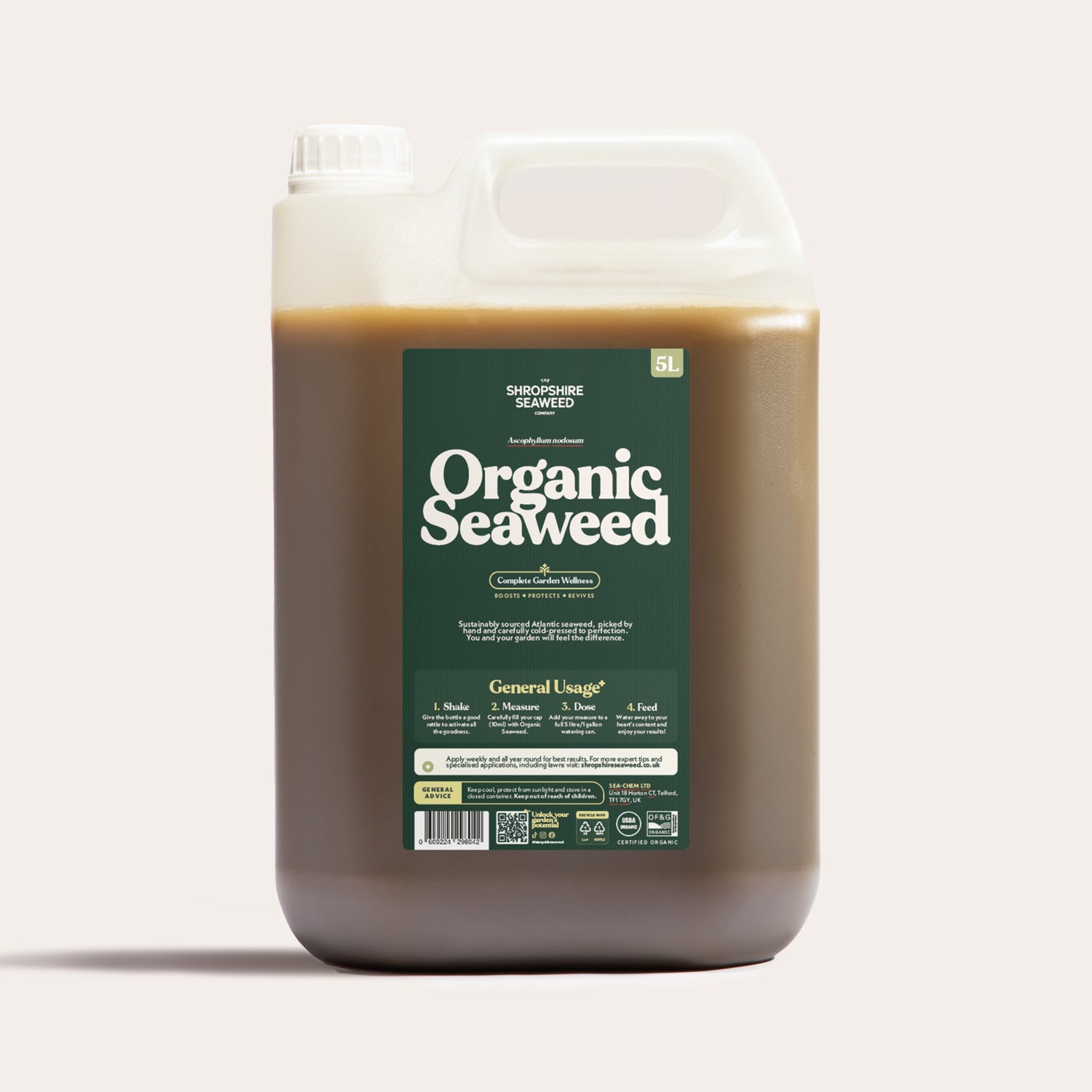
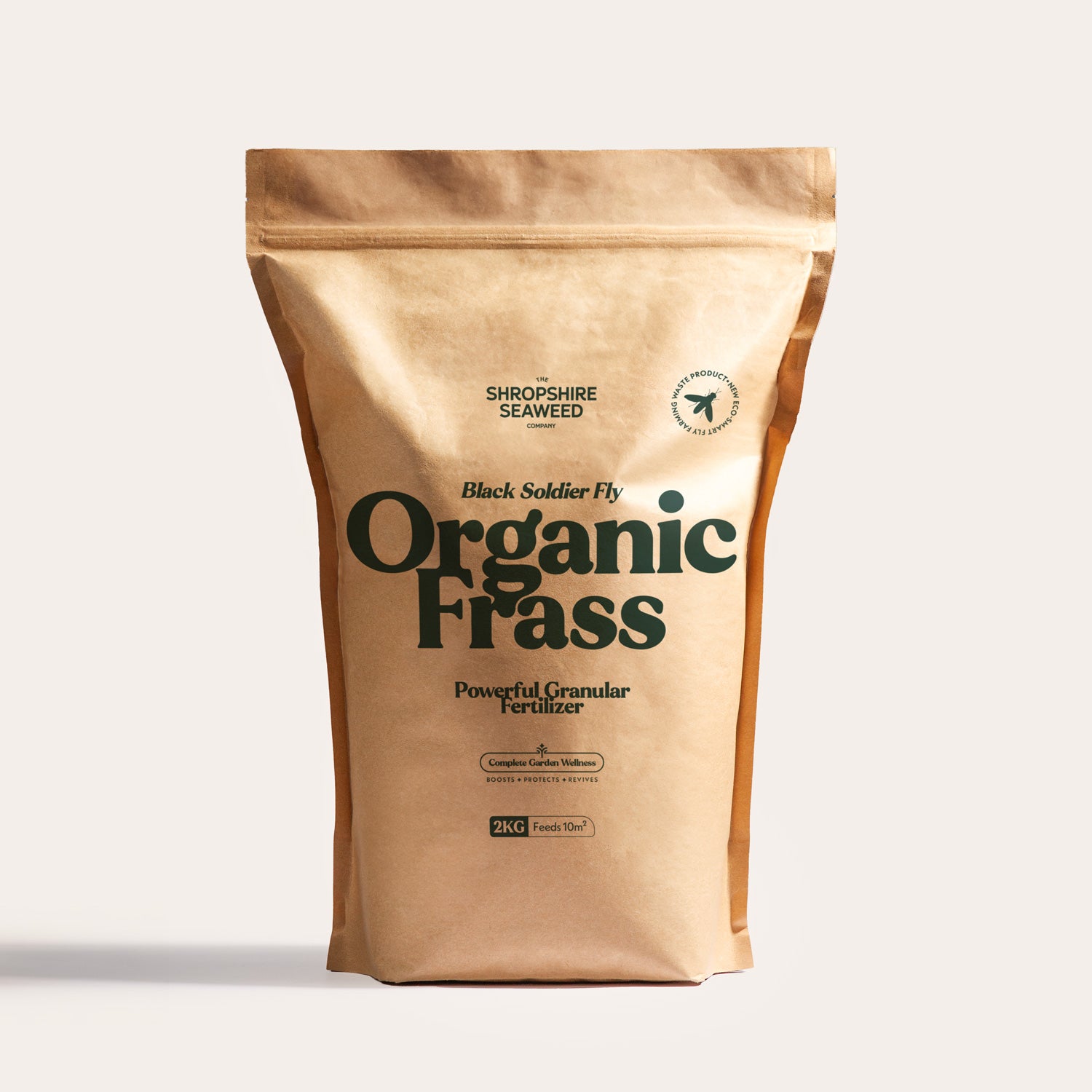
When I built new borders at home, I dug biochar infused with seaweed feed into the soil and added a handful of frass to the root system of every plant going in. From spring through autumn, I feed everything a diluted seaweed fertiliser every two to three weeks. Cold-pressed seaweed is gentle enough that over-feeding and nitrogen burn, something I used to worry about constantly, simply isn't a risk.
My roses have struggled with blackspot and aphids for years, but this season, with better soil beneath them, they're bigger and healthier than I've seen in the 8 years I've grown them, producing 2 to 3 times the blooms with buds still forming in July.

Choosing what to grow
My favourites for cutting are sunflowers, dahlias, roses, sweet peas and cosmos. Dahlias come in almost every shape and colour you can imagine, roses are a true British classic with a long vase life, and sweet peas and cosmos both make a beginner's border look established within weeks. I like pairing flowers with herbs in bouquets too. Blackcurrant sage, lemon verbena, apple mint and Thai basil all add a sensory layer and bulk out a bunch beautifully.
10 of the easiest cut flowers for beginners:
- Sunflowers, fast to germinate, just keep the slugs off young plants
- Cosmos, the more you cut, the more it flowers
- Sweet peas, cut-and-come-again on a teepee or arch
- Calendula, close to indestructible and self-seeds
- Cornflowers, tolerant of poor soil and changeable weather
- Zinnias, sturdy stems (when cut at the right time), huge colour range
- Nigella, pretty flowers with dried seed pods as a bonus
- Dahlias, grown from tubers rather than seed, hugely productive
- Ammi majus (Queen Anne's Lace), an airy filler for any bunch
- Marigolds, cheerful and useful for deterring pests too

Cutting and conditioning
Harvest first thing in the morning or last thing at night, with sharp, clean secateurs and a scrupulously clean bucket of cold water. Cut the longest stem you can rather than settling for 10cm lengths that are hard to work with, even if that means taking a bud that hasn't fully opened along with it. It only adds interest to the bunch.
Pick only your best blooms for displays, since these last longest, and deadhead anything past its best at the same time to keep the plant producing. Give a full bucket a few hours, ideally overnight, in a cool, shady spot before you arrange. A few flowers benefit from a hot water dip too: dahlias, poppies, euphorbia, hellebores and smyrnium all droop or bleed sap, and sealing the stem in hot water helps them take up water properly.
Timing also matters. The best stage to pick varies by flower:
- Sunflowers and cosmos: just as they begin to open
- Roses: at the soft crack stage, before full bloom
- Dahlias: when the petals are evenly open around the centre
- Sweet peas: once the first flower has opened but the rest are still lifting
- Peonies: at the marshmallow stage
- Tulips: at the first crack of colour
- Poppies: at the cracked bud stage, before the petals unfurl

Drying and pressing for later
Air drying and pressing both work best when you harvest at the same peak stage you would for a vase, not once a flower is starting to fade. Petals already loosening on the plant will drop even more easily once dry. Hang bunches upside down somewhere warm and dry until fully dried, then store in an airtight, moisture-free container.
Dahlias are notoriously hard to dry and tend to lose their colour. Silica gel helps preserve both, but it's not something I reach for. Roses, cosmos, sweet peas, violas and other small-headed flowers dry and press far more easily, drying quickly and needing very little weight to press, whether as whole flowers or as natural confetti.

A few simple habits at the vase will keep any bunch going for longer, and if you grow your own, healthy soil and the right harvest technique will take it further still. Shop our Organic Flower Food and follow us on Instagram for more growing tips and advice.