The difference between a seaweed fertiliser that genuinely improves your soil and one that simply greens up your lawn for a fortnight usually comes down to one thing: how it was processed. Cold pressing and heat extraction are two fundamentally different approaches - and only one of them preserves the biological complexity that makes seaweed worth using in the first place.
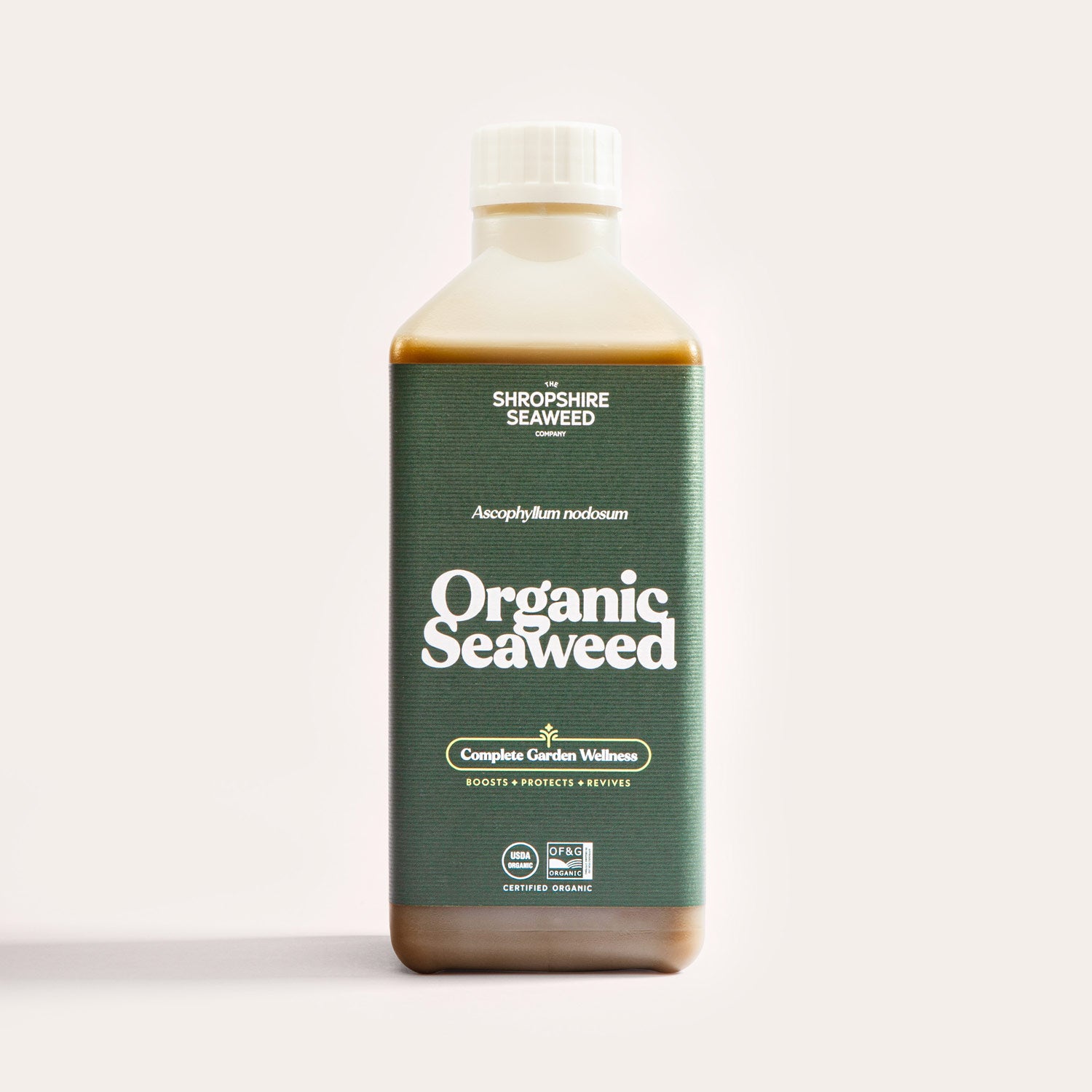
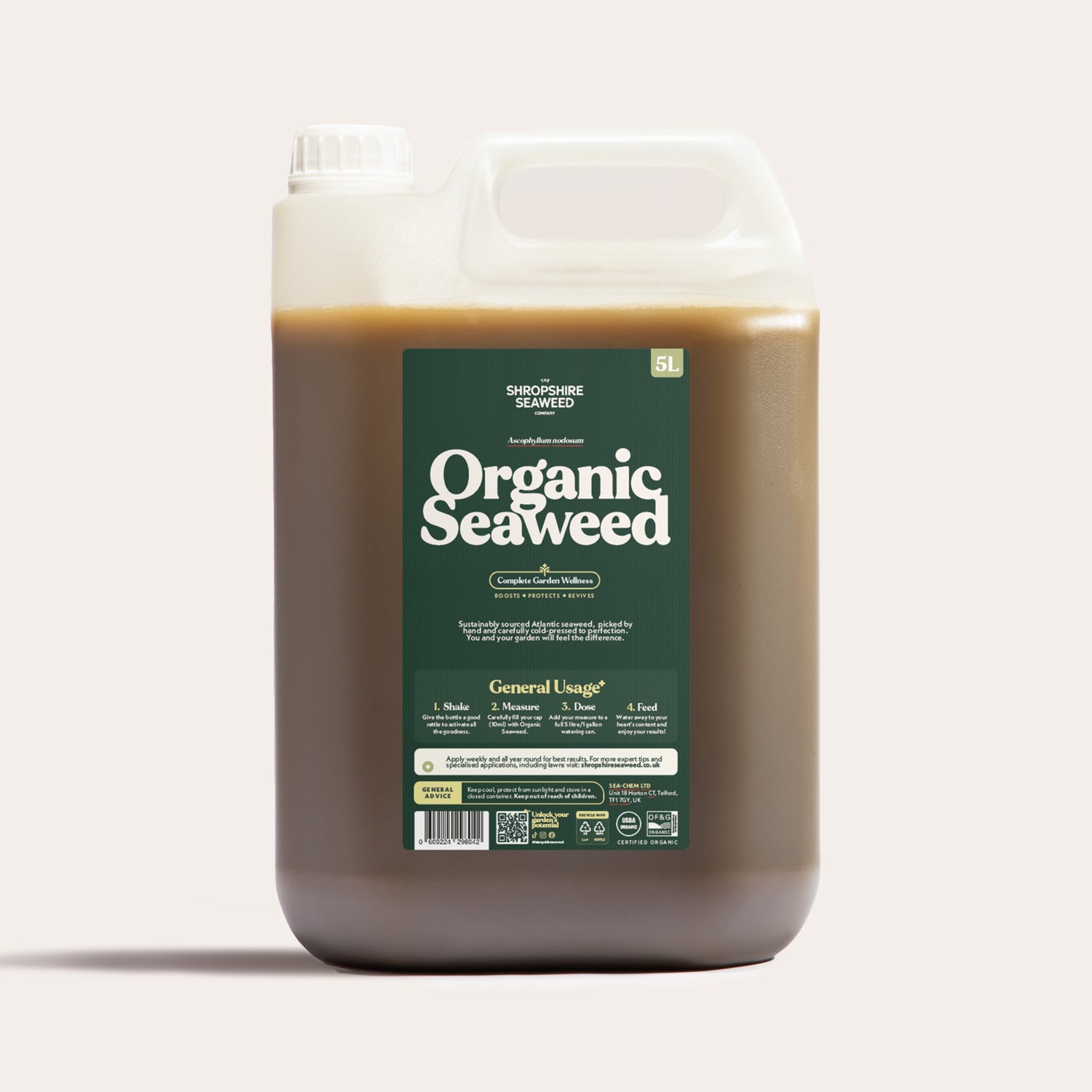
At The Shropshire Seaweed Company, we believe great gardens aren’t built on shortcuts. They grow from soil steamed with care, nurtured by sunlight, and fed with real organic goodness. That’s why our flagship product is 100% cold‑pressed organic seaweed (Ascophyllum nodosum), no harsh chemicals, no excessive heat, no synthetic additives. Just pure seaweed, thoughtfully processed, delivered with care, so your plants can flourish.
Here’s what makes our cold‑pressed seaweed truly special and why it outperforms the “black alkaline” seaweed extracts many other companies mis-sell.

What Is Cold‑Pressed Seaweed?
- Gently processed. We harvest Ascophyllum nodosum sustainably, then press it mechanically without high heat or strong chemicals. This preserves delicate natural compounds like enzymes, amino acids, and plant growth hormones (auxins, cytokinins, gibberellins).
- High seaweed solids content. Our concentrate contains a large percentage of actual seaweed solids, typically around 20‑25% raw matter. That means you’re getting far more real nutritional power per litre compared to diluted extracts.
- Whole‐plant nutrition. Because nothing is stripped away, your plants get full spectrum benefits: improved root development, better flowering and fruiting, heightened stress resilience, and support for soil micro‑biology.
What are “Black Alkaline” Seaweed Products?
Many garden supply products marketed as “seaweed feed” are in fact alkaline/extracted seaweed. These are made by treating seaweed with strong alkaline substances (like potassium hydroxide, KOH) and/or applying high heat. While these processes extract some minerals, primarily potassium and create thin, dark “black” liquid that’s easy to dilute and spray, they also:
- Destroy or significantly degrade the plant hormones, enzymes, and delicate compounds that help flowering & fruit development.
- Contain much lower percentages of actual seaweed solids, often only 2‑5% after processing and dilution.
- Offer more of a quick, surface‑level feed rather than the deep, long‑term nourishment for soil, roots, and plant immunity.
Yet, alkaline seaweed extracts do have their place, for rapid greening, foliar boosting, or lawn repair, if used correctly. But when someone markets a black alkaline extract as “all round feed for tomatoes, fruits and veg,” they’re talking about feeding, not about stimulating full biological vitality.
When Black Alkaline Is Useful (But Only as “The Finisher”)
Because we aim to inform, not just sell, here are cases where an alkaline extract might still be part of your garden toolkit:
- Lawns in distress. When grass is heat scorched or recovering from damage, the quick potassium shot from an alkaline product can help green things up fast.
- Foliar feeding during urgent stress. If your plants are wilting, leaf‑spotting, or under sudden pest or disease pressure, a fast‑acting extract can help provide short‑term relief.
- Budget or scale constraints. For large surface areas where precision is less critical, people may supplement with cheaper extracts, but knowing they’re trading off depth of benefit.
However, in nearly all major growth stages (flower, fruit, root, soil health), cold‑pressed seaweed leads.

Real Results: What You Can Expect
Here are things our customers regularly see when using our organic cold‑pressed seaweed:
- More robust root systems, which mean stronger, healthier plants that can access moisture and nutrients more effectively.
- Brighter, more prolific flowers and larger, tastier fruits & veg.
- Stress resistance: plants that bounce back quicker after heat, heavy rain, or pest pressure.
- Soil that stays “alive”, more earthworms, richer texture, better water retention.
- Lower need for chemical fertilizsers or synthetic boosters, a more sustainable, organic approach.
Our Promise to You
- 100% organic certification with all our ingredients and harvesting practices.
- Made only from Ascophyllum nodosum, ethically harvested.
- No artificial preservatives, no harsh chemicals, no heat‑damaging processing.
- Full transparency: strong seaweed content so you know you’re getting your money’s worth.
- Support & guidance: not just a product, but advice on how to use it well, dilution rates, application timing, tank mixing, etc.

How to Use Our Cold‑Pressed Seaweed Fertiliser
Here are some tips so you get maximum benefit:
- Dilute appropriately: For fruit & veg, foliar sprays every 2–3 weeks during growing/flowering. For soil drenches, monthly or bi‑monthly.
- Apply early morning or evening: Less sun, more absorption, prevents burning and oxidation.
- Seed soak: For larger seeds, soak for 12-24 hours in a water/seaweed dilution. For smaller seeds, soak for 2-4 hours to speed up germination.
- Use for seedlings & root dips: Helps seedlings establish quickly.
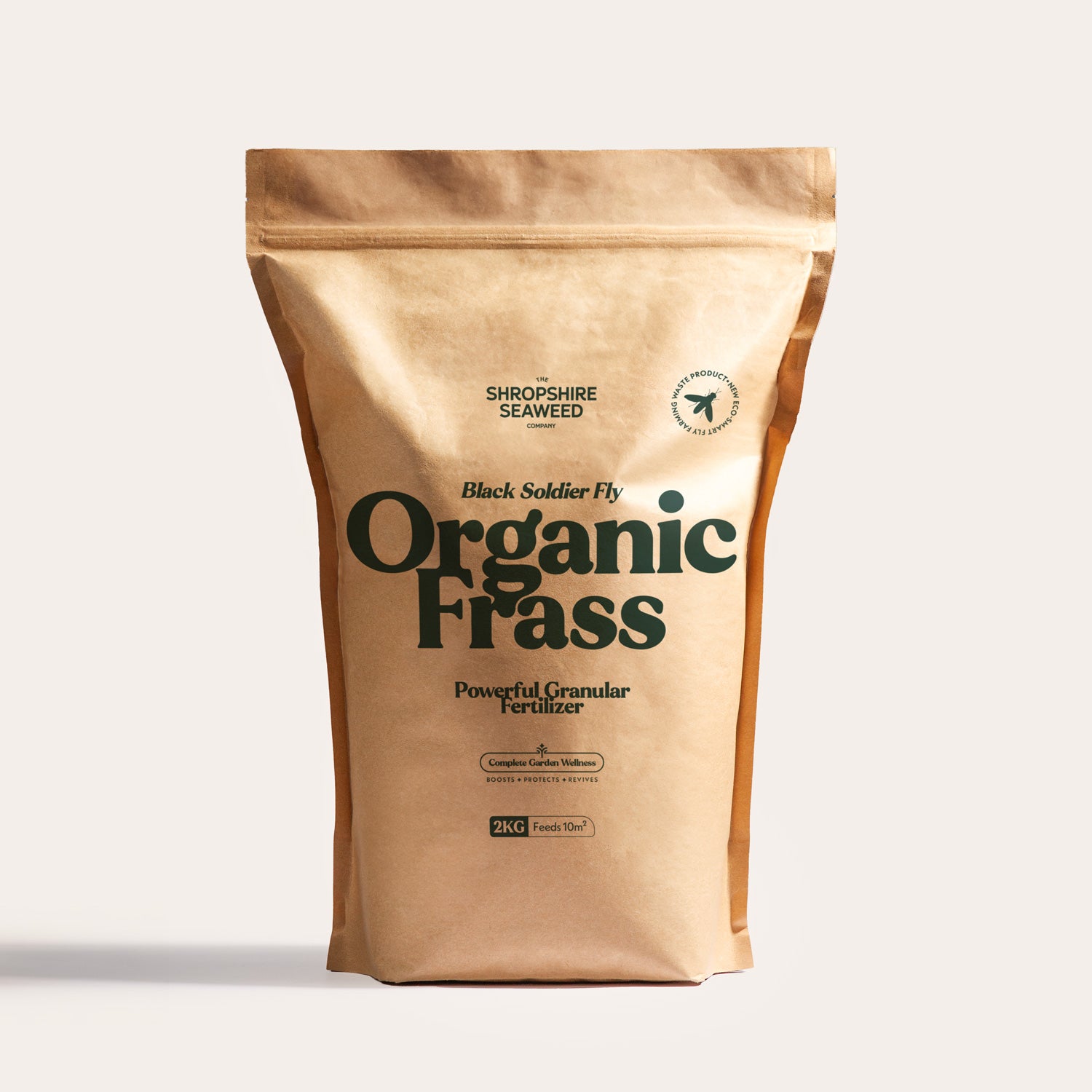
- Pair with good soil practices: Compost, mulch, soldier frass, seaweed supports soil life but it works best in healthy soil.
- Store well: Keep sealed, dark, cool. Color may change over time, that’s natural, not spoilage. Smell, performance, biological value remain strong.

Seaweed Fertiliser FAQS
Is cold pressed seaweed fertiliser better than liquid seaweed extract?
For long-term soil health and plant vitality, yes. Cold pressing preserves the enzymes, auxins, cytokinins and gibberellins that drive root development, stress resistance and fruit set. Most liquid seaweed extracts are produced with heat or alkaline processing, which degrades these compounds significantly. If you're after a quick green-up, a heat-processed extract will do it. If you want your soil biology to actually improve over a season, cold pressing is the more considered choice.
How often should I apply cold pressed seaweed fertiliser?
As a foliar spray on fruit, vegetables and houseplants, every two to three weeks during the growing season works well. As a soil drench, monthly or bi-monthly is sufficient. Apply early morning or evening to reduce evaporation and improve absorption.
Can I use cold pressed seaweed fertiliser on all plants?
Yes. Cold pressed seaweed is gentle enough for seedlings and strong enough for established trees, lawns, vegetables, flowers and houseplants. Because it's not a high-NPK feed, it's difficult to over-apply - it works by supporting soil biology and natural plant processes rather than forcing growth.
What is Ascophyllum nodosum and why does it matter?
Ascophyllum nodosum is a brown seaweed species found along the north Atlantic coastline, recognised as one of the most nutrient-dense seaweeds for horticultural use. It's particularly rich in natural plant growth hormones and trace minerals. The species and where it's harvested matters: sustainably hand-harvested Ascophyllum nodosum from cold Atlantic waters retains significantly more biological activity than seaweed sourced in bulk from warmer regions.
Does cold pressed seaweed fertiliser smell?
It has a mild, natural sea smellm noticeably less pungent than many conventional seaweed extracts. The cold pressing process doesn't produce the sharp, fermented odour that heat processing often creates. Once diluted and applied, the smell dissipates quickly.
Final Word
If you want a garden that thrives, not just survives; if you want fruit that tastes full, flowers that astonish, soil that's full of life, then cold‑pressed seaweed isn’t just a “nice extra,” it’s foundational. Where black alkaline extracts offer a quick feed, ours delivers a full feeding plan, root to tip, earth to sky. Our cold-pressed seaweed fertiliser is available to buy online in various sizes, with free delivery over £25.
Grow with confidence. Grow with The Shropshire Seaweed Company. Don't take our word for it, take a look at 100+ reviews.