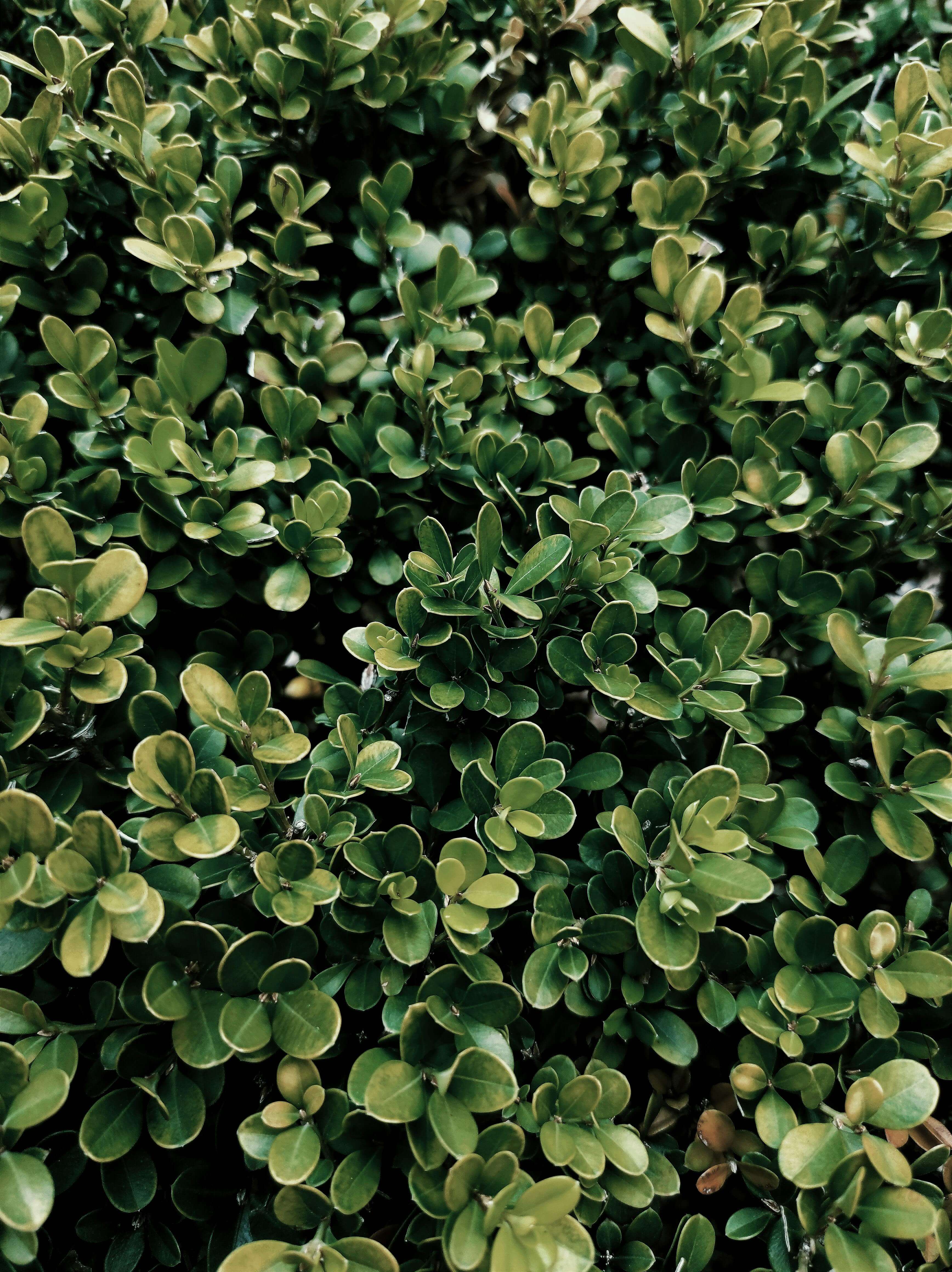
Anyone who has tended a box hedge for more than a few seasons knows the story has changed. Box blight is no longer a rare misfortune, it has become the most commonly asked question about growing Buxus in the UK. Add the box tree caterpillar, the larva of the box tree moth (Cydalima perspectalis), and the plant we have grown in this country for centuries is now under sustained biological pressure.
The good news is that healthy plants resist disease, and prevention is possible with the right care.
Why Buxus needs particular attention
Buxus is shallow-rooted: it sits high in the soil profile, drawing on whatever is in the top few inches. When that layer is depleted, compacted, or biologically inactive, the plant has nowhere to retreat. Yellowing leaves, thinning canopies, and the brown patches that often signal the start of box blight all begin in the soil.
If you have asked yourself why your Buxus is turning brown, the answer is almost always one of three things: a fungal infection (Calonectria pseudonaviculata, the pathogen behind box blight), the box tree caterpillar working through the leaves from the inside out, or a stressed plant that simply does not have what it needs to defend itself.

When to prune Buxus
Pruning matters more than most growers realise, not because of shape, but because of timing. Every cut is a wound, and every wound is a possible entry point for pathogens. Ensure that you use clean, sharp secateurs to make cuts to avoid increased risk.
In the UK, the safest window to prune is late spring through early summer, once the risk of frost has passed and the plant is in active growth. A second light trim in late summer will maintain form without leaving fresh cuts heading into the wet of autumn. Pruning a box in October is generally not advised due to the cool, damp conditions and a slowing plant. This creates near-perfect circumstances for box blight spores to take hold on cut surfaces.
How to water Buxus, especially in pots
As with most plants, Buxus can struggle when grown in pots as the root zone is smaller, it dries faster, and it freezes more easily in winter. They need to be watered deeply but infrequently. Ideally, you'll let the top inch of compost dry between waterings, then water until it runs from the base. In summer that may mean every two or three days; in winter, perhaps just once a fortnight.
Waterlogged roots are the fastest route to a failing plant. Free-draining compost, a good drainage layer, and a pot that is genuinely large enough for the plant matter more than any feed you could choose.
What to feed your Buxus
Seaweed is not a miracle. It is, however, one of the most complete plant tonics nature offers, and the science behind why it works is well understood.
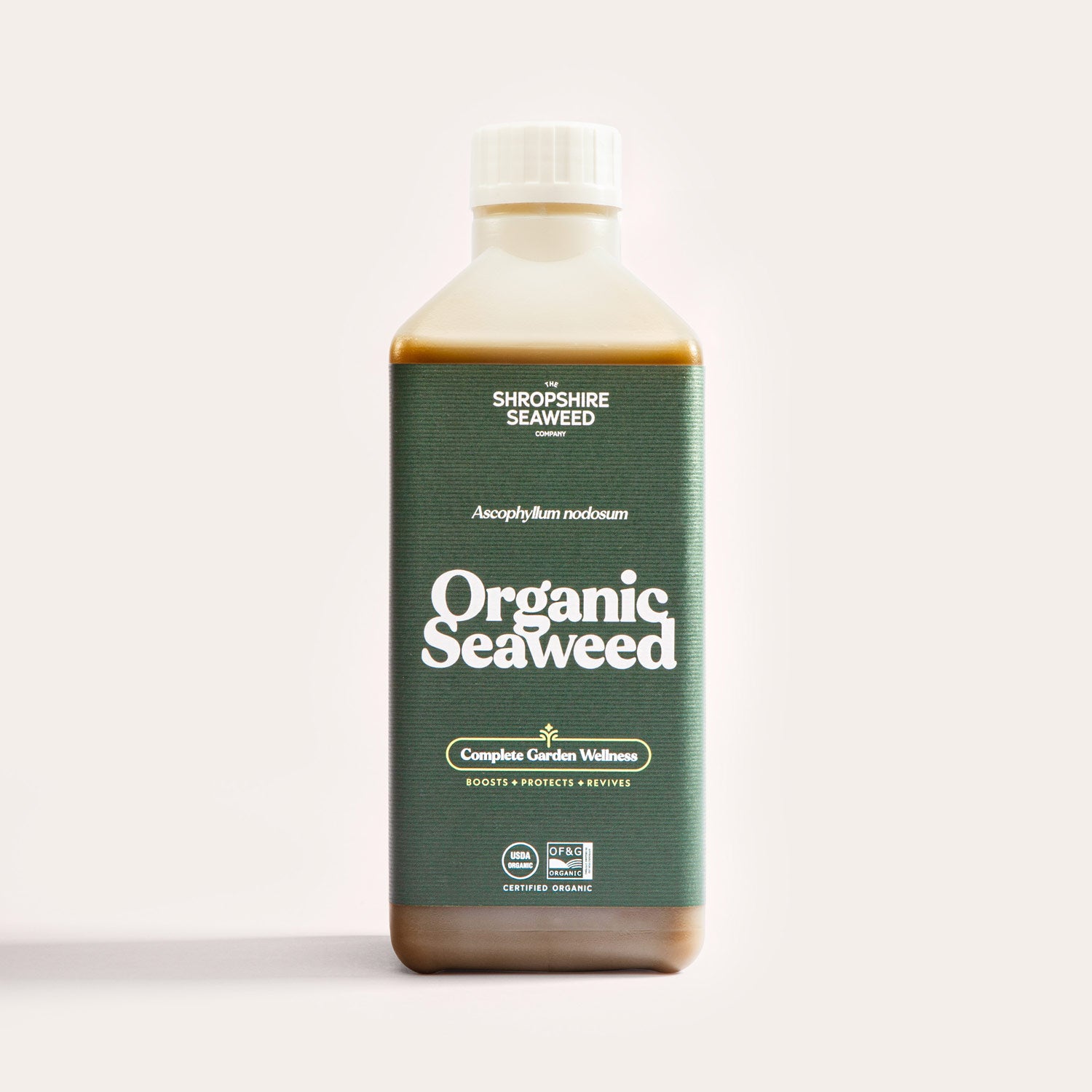
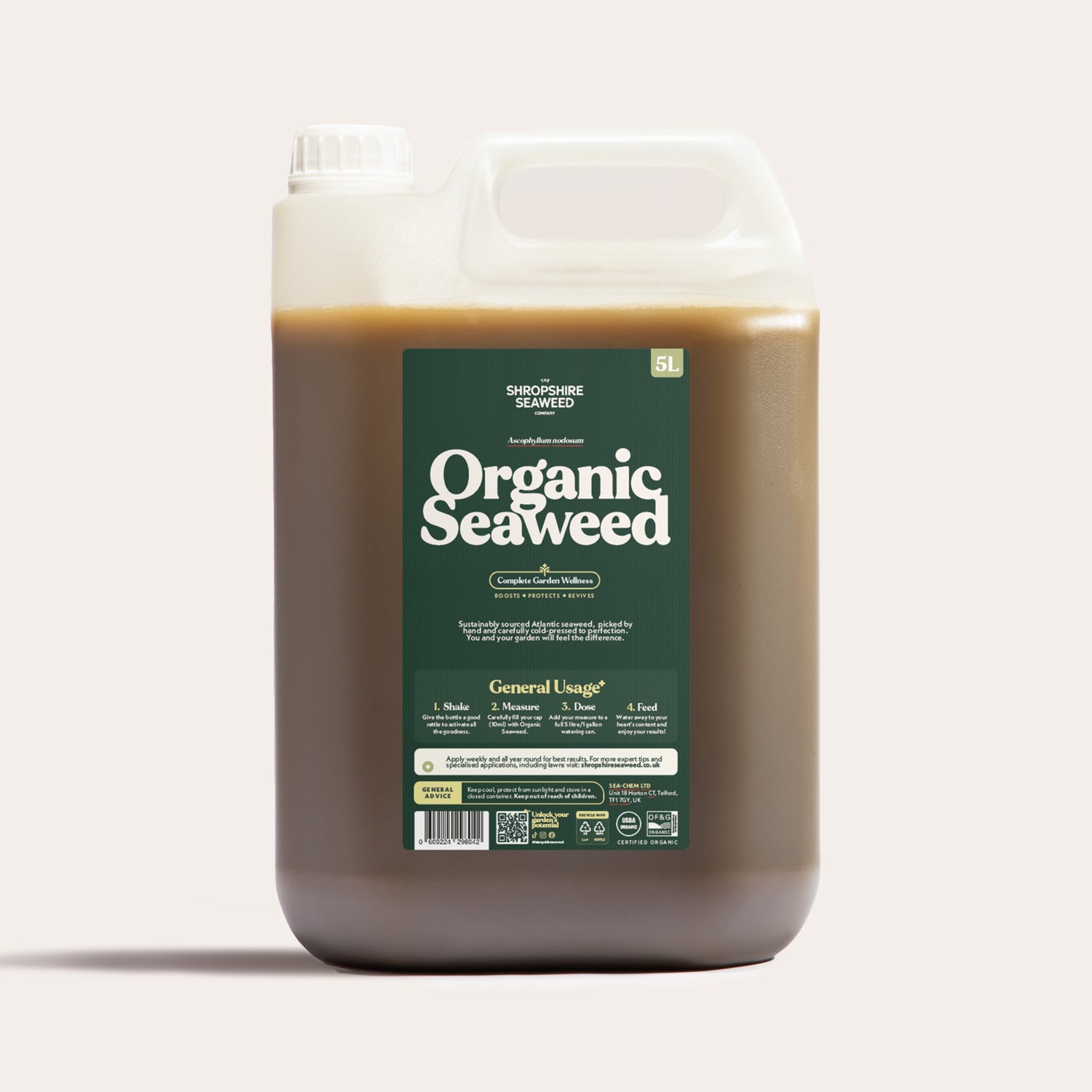
Our cold-pressed seaweed (Ascophyllum nodosum) delivers macro- and micro-nutrients; nitrogen, phosphorus, potassium, plus iron, magnesium, calcium and a range of trace elements, in a slow-release organic form. It also contains naturally occurring plant hormones, cytokinins and auxins, which encourage cell division and root elongation. The result is denser foliage above and a more capable root system below.
The element that matters most for box blight, though, is laminarin. Laminarin is a polysaccharide found in brown seaweed that acts as an elicitor: it triggers the plant's own immune response, priming it to recognise and respond to fungal attack before the attack arrives.
In other words: seaweed does not kill blight. It helps the plant be the kind of plant that can fight blight off.

Feeding your Buxus with frass
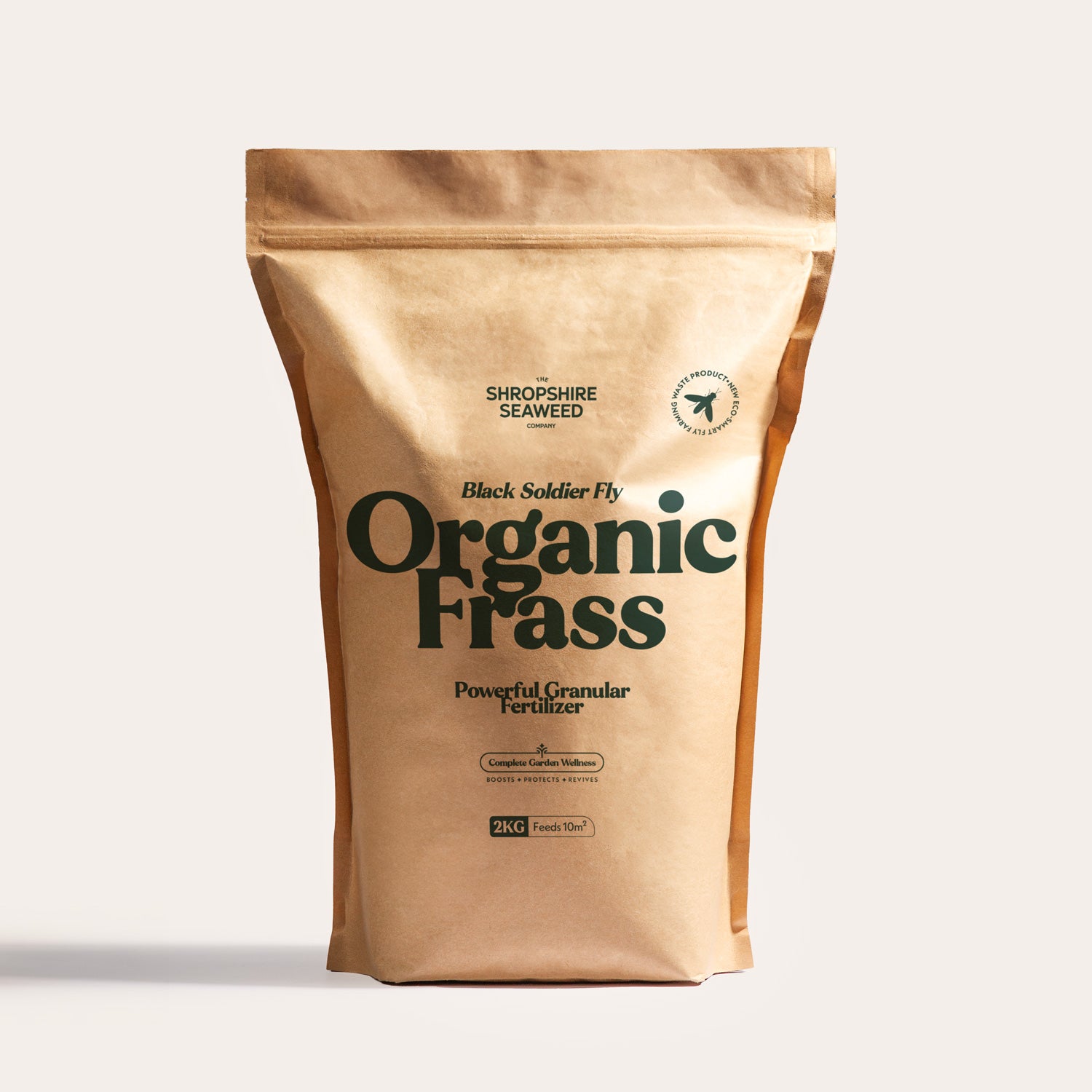
Soldier frass is insect excrement, most commonly from black soldier fly larvae when used as a soil amendment. It brings two things to the table: balanced nutrition, with an NPK around 3-3-3 plus a useful complement of micronutrients, and chitin.
Chitin is the part that interests us. It is the structural material in insect exoskeletons and in fungal cell walls, and when a plant encounters it in the soil, it reads the chitin as a signal that an attacker is present. The plant responds by switching on its defence systems. This is systemic acquired resistance, the same biological pathway that laminarin in seaweed engages, but through a different door.
We believe the case for pairing frass with seaweed is a strong one, particularly for a species under the pressure Buxus is currently under. Two different elicitors, working through two different mechanisms, building a more responsive, more disease-aware plant. Add frass's nitrogen and chitin to seaweed's hormones and trace minerals, and you are feeding the plant and training its immune system at the same time.
This is not a guarantee against box blight. Nothing is. But a healthier plant, in living soil, with its defences already awake, is the most credible protection we have.
Stewart Black, Commercial Director at Shropshire Seaweed comments: 'I've been feeding my Buxus with frass for a couple of years now and they're some of the healthiest plants I've seen. If you look at other properties on my street, many of them are struggling with typical issues such as blight whilst mine remains resilient.'
How to feed your Buxus
A simple rhythm works for most gardens.
In active growth, from April to September, a fortnightly seaweed foliar feed applied in the early morning or late afternoon, paired with a light dressing of frass worked into the surface of the soil every six to eight weeks.
In autumn, reduce the seaweed to once every four to six weeks. Stop frass applications by mid-October so the plant can move properly into dormancy.
In winter, leave the plants alone. A light mulch of leaf mould or fine bark protects the shallow root system through frost without smothering it.

The box tree caterpillar
Seaweed and frass do not kill box tree caterpillars. We will not pretend otherwise. The caterpillar, the larva of Cydalima perspectalis, needs to be managed directly: pheromone traps to monitor adult moth activity, biological controls such as Bacillus thuringiensis during the caterpillar stages, and physical removal where the infestation is small enough to allow it.
What seaweed and frass do is keep the plant strong enough to recover after defoliation. A weakened Buxus rarely comes back from a heavy caterpillar attack. A vigorous one usually does.
Considering an alternative to box hedge?
It is a fair question, and we will not argue against it. Ilex crenata, Pittosporum tenuifolium 'Golf Ball', and Euonymus japonicus 'Jean Hugues' all give a similar form with significantly less disease and pest pressure.
But if you have a Buxus hedge you love, or one that has stood in your garden longer than you have, it is usually worth fighting for. The biology is on your side, provided you give the plant what it needs.
What we believe
We make seaweed because we believe healthy soil grows healthy plants, and healthy plants do not need rescuing. Buxus, with everything stacked against it at the moment, is one of the clearest tests of whether that approach actually works in the ground.