By Shannon Bates — Shannon holds an RHS Level 2 in Principles of Horticulture, a Diploma in Garden Design and 9 years of real-world gardening experience spanning from nurturing her own houseplants and allotment plot to running a community garden in her local area.
Companion planting is one of those gardening practices that sounds complicated until you actually try it, and then it becomes something you can't imagine growing without.
At its simplest, it's the idea that certain plants benefit from being grown near each other: deterring pests, attracting pollinators, fixing nitrogen in the soil, or simply making the most of the space available. Done well, it reduces the need for intervention, brings more life into the garden and makes the whole system more resilient. It's also, in many cases, completely free.
This guide focuses on practical combinations for the vegetable garden: what works, what to watch out for, and how to start without getting lost in the theory.

Why companion plant?
The reasons to companion plant broadly fall into a few categories, and understanding them helps you make smart decisions rather than just following a list.
Pest control and sacrificial planting. Some plants are more attractive to pests than your crops, and deliberately growing them nearby draws the damage away. Others have properties; chemical compounds, scent, physical texture, that deter or confuse pests looking for a host plant.
Attracting pollinators. Many vegetables, particularly fruiting crops like tomatoes, courgettes, squashes and beans, rely on insect pollination. Growing flowers alongside them brings in the bees and hoverflies that make the difference between a harvest and a disappointment.
Fixing nitrogen. Legumes (beans, peas, clover) have a unique ability to take nitrogen from the air and fix it in the soil via their roots. Grown near hungry crops, they reduce the need for such frequent feeding.
Making the most of space. Growing compatible crops together, particularly fast-growing ones between slow-maturing ones, means you're harvesting from the same ground in sequence rather than leaving it empty.
Flavour. Some gardeners swear by it; others remain unconvinced. More on that shortly.
What plants should be planted next to each other?

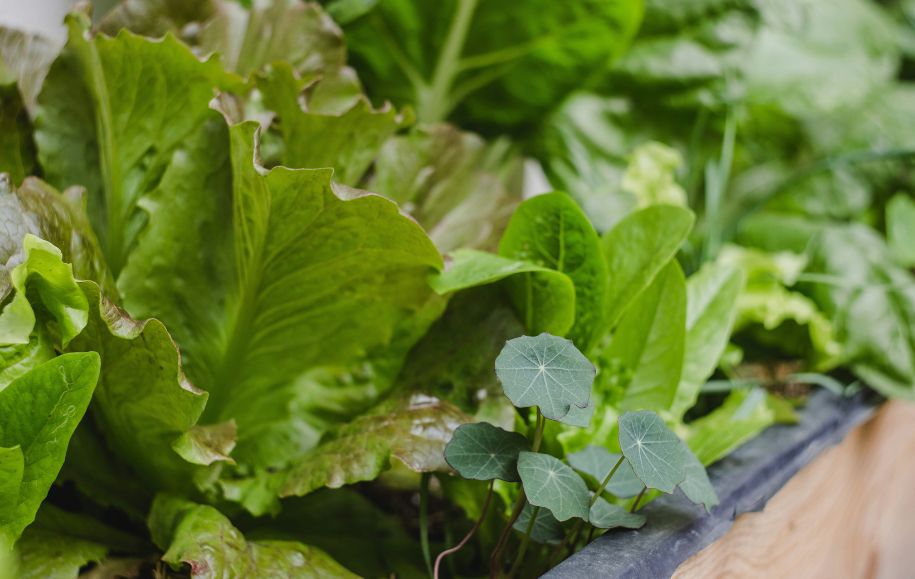
Nasturtiums with squashes and courgettes
If you only ever try one companion planting combination, make it this one.
Nasturtiums are extraordinary sacrificial plants. Aphids are irresistibly drawn to them, far more so than to the squashes and courgettes growing nearby, which means the pest pressure lands on a plant you don't mind losing parts of. Meanwhile, nasturtiums flower prolifically, drawing pollinators into exactly the part of the garden where your fruiting crops need them most.
One caveat: nasturtiums grow vigorously. Left unchecked they'll fill a space completely, which can become a problem rather than a benefit. Pruning them back regularly through the season keeps them in check and stops them overwhelming neighbouring plants or restricting airflow.
Save the seeds at the end of the season, nasturtiums self-seed readily and the saved seeds give you a free supply every year.
The bonus: if slugs and aphids don't get there first, every part of the nasturtium is edible. The flowers have a peppery sweetness, the leaves work in salads, and the seeds can be pickled like capers. And visually, scrambling orange and yellow nasturtiums alongside broad squash leaves is one of the most satisfying combinations in the summer garden.

Calendula and marigolds with tomatoes
Calendula and French marigolds are the tomato grower's staple companion, and for good reason. They act as trap plants for common pests like whitefly and aphids, they repel certain insects through their scent, and their bright flowers bring pollinators in at exactly the time tomatoes need them. They're also compact enough to fit in a pot alongside your plants, which makes them useful in greenhouse growing as well as outdoor beds.
In a greenhouse specifically, pollinators need a reason to come in. Keeping doors open throughout the day and growing calendula or marigolds at the entrance and between plants makes a noticeable difference, particularly for crops like tomatoes and peppers that depend on pollination for every fruit they set.
Marigolds and calendula are cheap, easy to sow from seed and fast to establish. Plant them when you plant your tomatoes and let them do their work through the season.

Onions and garlic with carrots
Carrot root fly is one of the most frustrating pests for UK vegetable growers as you can't see the damage under the soil, and one of the most effective natural deterrents is hiding in plain sight. The strong scent of alliums i.e. onions, garlic, leeks, chives, confuses and deters the fly, which locates carrots by smell. Interplanting rows of carrots with onions or garlic makes it significantly harder for carrot root fly to home in on its target.
This is also a practical space solution: both crops are relatively slim and upright, so they coexist without competing too aggressively for light or root space.

The Three Sisters
The Three Sisters is one of the oldest and most complete companion planting systems, originating with Native American growers, and it remains one of the most effective.
The three crops are sweetcorn, climbing beans and squash or pumpkins, each serving a distinct role that benefits the others.
Corn grows tall and acts as a natural support structure for the climbing beans, removing the need for canes or frames. Beans fix nitrogen in the soil through their root systems, feeding the hungry squash that grows beneath them. Squash spreads low and wide, its large leaves shading the soil, retaining moisture and suppressing weeds.
To set it up: sow corn seeds undercover in root trainers and plant out once they're 10–20cm tall. At the same time, sow climbing bean seeds (a French bean works well) a few centimetres away from each corn plant, they'll use the corn as supports as they grow. Once frost risk has passed, plant out squash or pumpkins sown undercover previously, spacing them between the corn and bean plants.
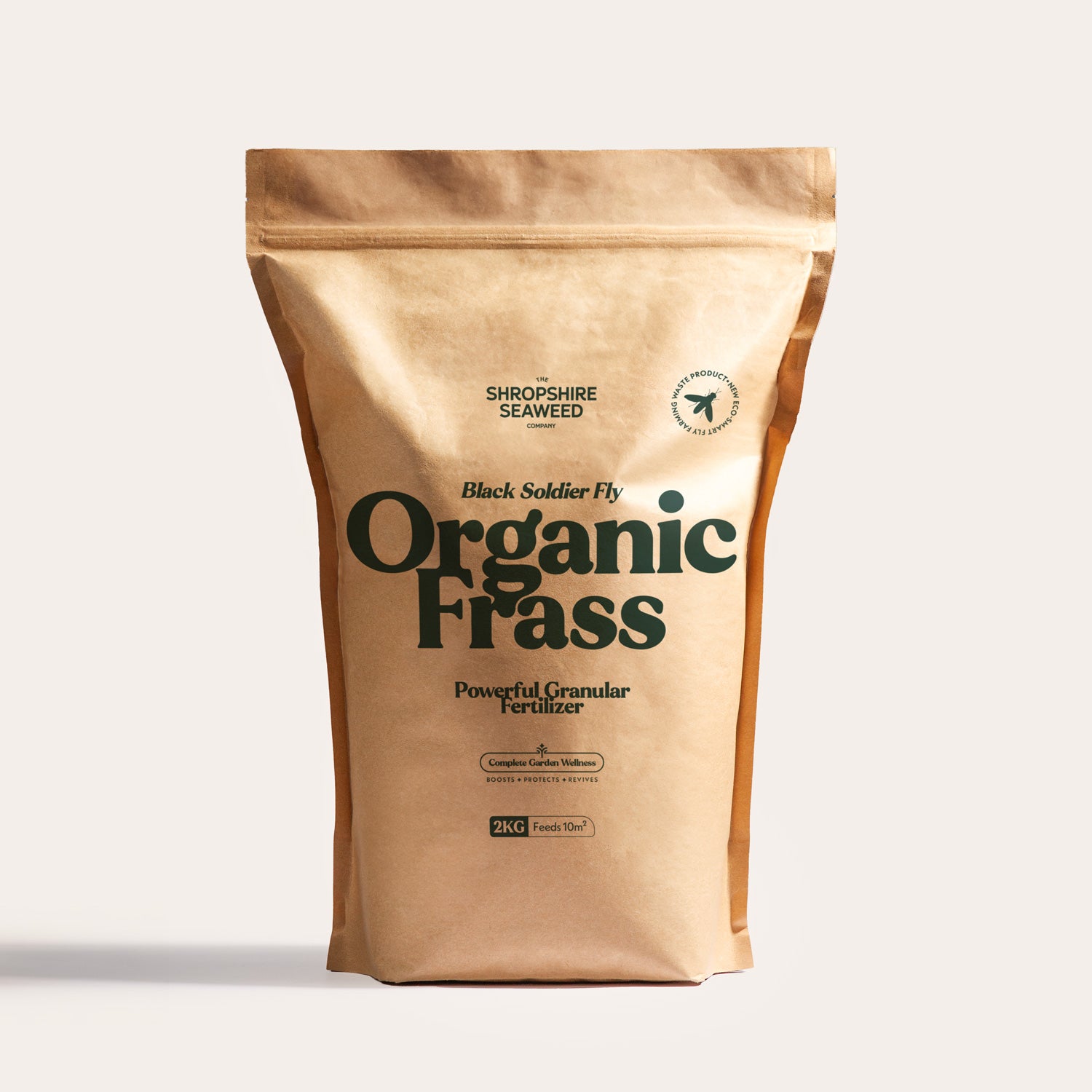
The bed will need feeding well throughout the season. Squash are among the hungiest plants in the vegetable garden, and even with the nitrogen contribution from the beans, consistent feeding pays dividends. A top dressing of frass worked in at planting and a regular liquid feed through the growing season will support the whole system. Find out more about improving your soil naturally to set your three sisters system up for success.

Borage with strawberries
Borage is one of the most useful companion plants in the UK garden and one of the most underused. It's a prolific self-seeder that produces star-shaped blue flowers beloved by bees, and when grown alongside strawberries, it's widely reported to improve both yield and flavour.
The proposed mechanism involves attracting pollinators at peak flowering time and deterring aphids, though as with many flavour claims it's worth treating as a bonus rather than a guarantee. What is certain is that borage draws in pollinators reliably and grows with almost no effort. It also self-seeds freely, so one plant tends to become a permanent, welcome fixture.
The bonus: Borage flowers are beautiful and taste like cucumber. They're a common edible flower that can be used on cakes, or frozen into ice cubes for an extra flourish in cocktails and soft drinks on a sunny day.

Dill and borage with cucumbers
Cucumbers benefit from having dill or borage growing nearby. Both attract beneficial insects, including parasitic wasps and hoverflies, that prey on common cucumber pests like aphids and spider mites. Dill in particular draws in a range of predatory and pollinating insects, making it a useful general-purpose companion for many crops. One note: keep dill away from carrots in the early stages, as the two are allelopathic to one another when young. Mature dill is less problematic, but it's easier to grow them in separate areas.

Summer savory with beans
One of the more credible flavour-improvement combinations in companion planting is summer savory grown alongside beans. Savory is said to enhance bean flavour while also deterring aphids and black bean fly, one of the most persistent pests for French and runner bean growers in the UK. It's easy to grow from seed, flowers attractively for pollinators and can be harvested for cooking throughout the season. Worth including wherever beans are grown.

Marigolds and horseradish with potatoes
Potatoes benefit from a couple of specific companions. French marigolds are effective at deterring nematodes in the soil, microscopic pests that can damage potato tubers, and their above-ground presence also deters whitefly. Horseradish planted at the corners of a potato bed is a traditional remedy for deterring Colorado beetle, a pest increasingly establishing itself in southern England. Horseradish spreads aggressively, so plant it in sunken containers if you don't want it to take over.

Tomatoes and asparagus
A less well-known but well-documented pairing: tomatoes and asparagus are mutually beneficial. Tomatoes produce solanine, which repels asparagus beetle; asparagus produces a substance that kills certain soil nematodes harmful to tomatoes. If you grow both, planting them in adjacent beds or around the edges of the asparagus patch makes good use of this relationship.

What is intercropping?
One of the most practical forms of companion planting is intercropping, placing growing fast-maturing crops between slower ones to make the most of available ground.
Lettuces and radishes are ideal for this. Both germinate and establish quickly, and can be harvested well before the surrounding crops close over. Onions, parsnips and other slow-growing vegetables leave significant bare ground in the weeks after planting, and intercropping fills that space with something useful.
The important caveat is timing. By the time a parnsip reaches full size, its leaves create dense shade that will prevent light reaching anything low-growing nearby. Sow or plant your quick crops early, harvest them promptly, and don't expect the intercropping opportunity to last the full season.
What to keep apart
Most companion planting guidance focuses on beneficial combinations, but a few separations are worth noting.
Toxic plants near edibles. Foxgloves, for example, are beautiful in the garden and genuinely valuable for wildlife, but all parts are toxic, and there's no good reason to have them close to crops you're going to eat. This applies to any ornamental with significant toxicity. Keep them in different areas of the garden rather than woven through your vegetable beds.
Plants that compete for airflow. Tomatoes need good air circulation to stay healthy and reduce the risk of blight. While companion planting around tomatoes is beneficial, overcrowding them with too many neighbouring plants is counterproductive. Leave space, keep the planting selective, and prune back anything that's closing in on them.
Fennel with almost everything. Fennel is one of the most allelopathic plants you can grow. It releases compounds from its roots that inhibit the germination and growth of a wide range of vegetables, including tomatoes, peppers, courgettes and beans. It's a genuinely useful plant and a magnet for beneficial insects, but give it its own dedicated spot well away from your vegetable beds. The one exception is dill, which is closely related, though even these two should be kept separate to avoid cross-pollination if you're saving seed.
Alliums near beans and peas. While garlic and onions are excellent companions for carrots, they actively inhibit the growth of legumes. Keep your allium crops well away from beans and peas. The nitrogen-fixing ability of legumes appears to be suppressed by proximity to alliums, which is the opposite of what you want from either crop.
Tomatoes and potatoes together. Both are members of the Solanaceae family, which means they share the same diseases, most critically, potato blight (Phytophthora infestans). Growing them in the same bed, or in close proximity, creates conditions where blight can spread rapidly between crops. Keep them on opposite sides of the garden and practise rotation so neither follows the other in the same ground.
Mint everywhere. Mint is genuinely useful as a pest deterrent as it deters aphids and confuses carrot fly when grown near alliums. But, it spreads aggressively via underground runners and will colonise a bed entirely if left unchecked. Always grow mint in a container, even if you're planting it into a border. Sinking a pot into the ground is a practical compromise that keeps its benefits while containing its ambitions.

How to start companion planting
The most common mistake with companion planting is trying to implement everything at once. The combinations, interactions and timing considerations stack up quickly, and paralysis sets in.
Start with one or two simple pairings:
- Nasturtiums with squash or courgettes. Both are easy from seed, undemanding to grow and the results are immediately visible, you'll see the aphids choose the nasturtiums.
- Calendula or marigolds with tomatoes. Sow the seeds at the same time as your tomatoes, plant them out together, and watch what comes to visit.
From there, add one new combination each season. Make a note of what you observe, what seems to be working, what doesn't appear to make any difference, and build your own knowledge over time. The received wisdom of companion planting is a starting point, not a rulebook. Your specific conditions, microclimate, pest pressures and soil will shape what actually works in your garden.
Wherever possible, save seeds from your companion plants at the end of the season. Nasturtiums and calendula both set seed readily and come back true. A single season's plants can provide a free supply indefinitely.
Companion planting as part of a broader approach
Companion planting works best not as a standalone technique but as part of a philosophy of working with natural systems rather than against them. Combined with no-dig methods, healthy soil biology and a commitment to reducing chemical inputs, it becomes part of a garden that largely manages itself: one where pests are kept in check not by intervention but by balance.
It's also, practically speaking, one of the most cost-effective things a vegetable grower can do. A packet of nasturtium seeds, a few marigold plugs or a handful of saved calendula heads costs almost nothing and returns real value through the season in pest reduction, improved pollination and, not insignificantly, a more beautiful and interesting growing space.
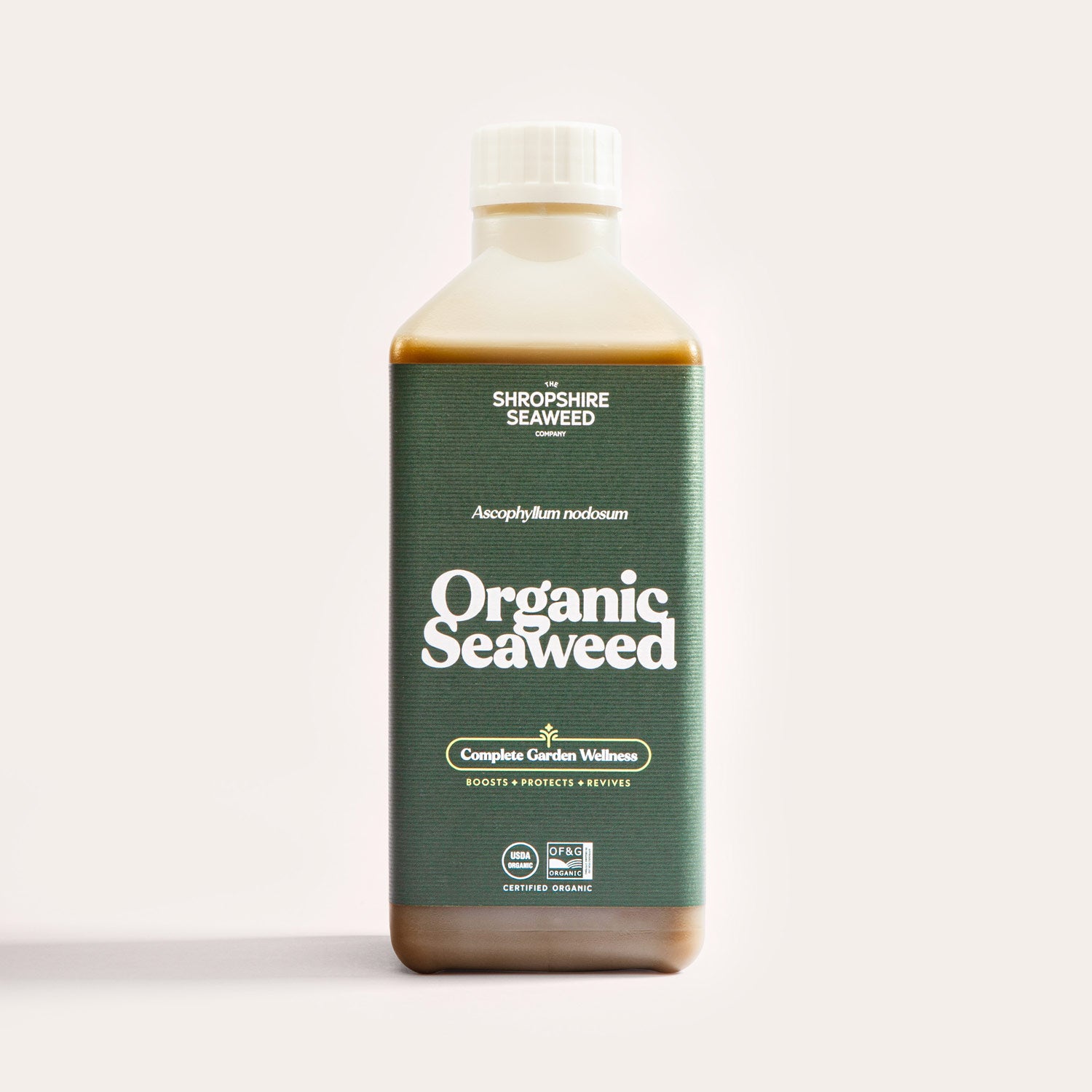
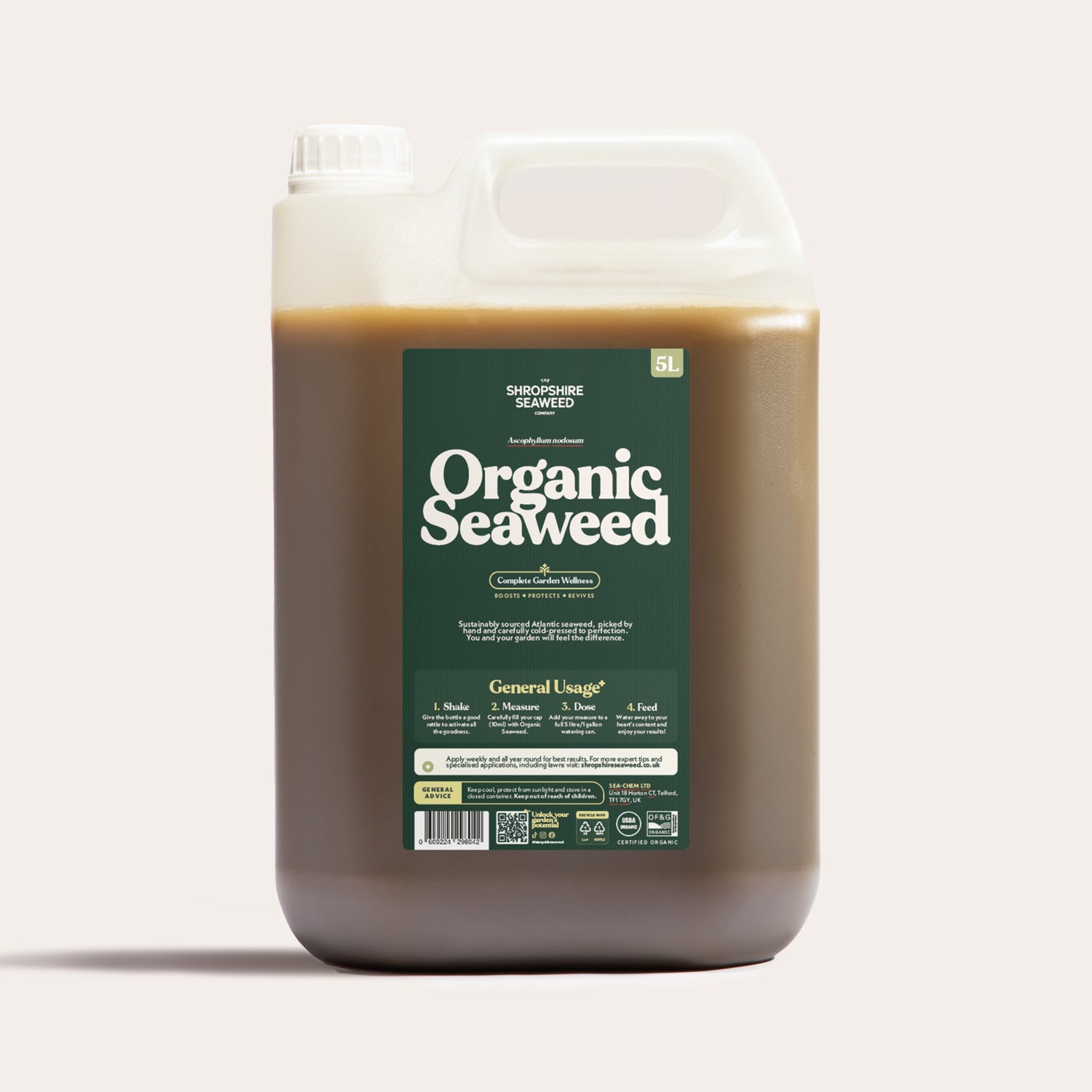
Shropshire Seaweed's organic frass soil improver and cold-pressed seaweed fertiliser work well alongside companion planting as part of a no-dig, organic approach to growing. Explore the full range.